 12 NYC Museums You Should Know
New York City is a world-renowned destination for many attractions, including its famous museums. You might have already heard about the Metropolitan Museum…
March is Women’s History Month, and New York City continues to benefit from the achievements and accomplishments of countless women who made their mark on history. Or we should say, her-story.
Today, women’s history in New York City is remembered through landmarks, parks, and even public policies and social changes.
Looking for where to go in New York City to celebrate women’s history month? There are so many hidden stories and spots worth visiting. As a local, I’m sharing a few must-visit sights, whether you’ll be here in March or anytime of year.
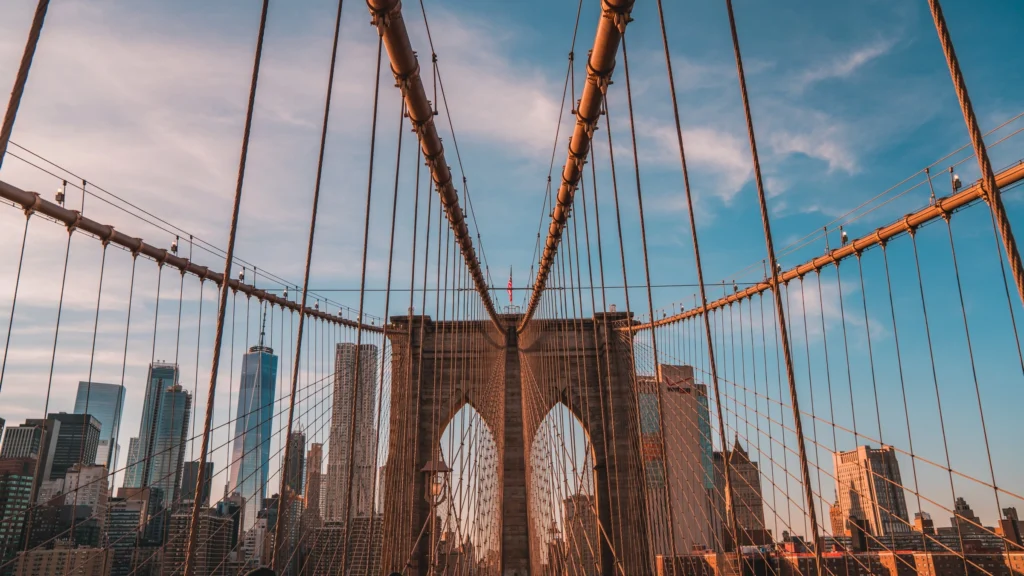
The Brooklyn Bridge is a must when visiting Brooklyn, but it wouldn’t be here today if it weren’t for Emily Warren Roebling.
Emily was the wife of Washington Roebling, the chief engineer in the construction of the Brooklyn Bridge, and the daughter-in-law of John A. Roebling, the civil engineer who designed the bridge.
After her father-in-law died from a bridge-related accident, Washington took over supervising the bridge’s construction. He then became incapacitated from caisson disease (also known as “the bends”), leading Emily to take over the project.
Emily acted as a liaison between her husband and the workmen, delivering instructions and managing day-to-day operations. At the bridge’s opening in 1883, Emily was the first person to cross over it in a carriage.
A plaque on the bridge honors all three Roeblings. Yet Emily gets her due with Brooklyn Bridge Park’s Emily Roebling Memorial Plaza. Underneath the bridge, this public space has great skyline views of this bridge as well as the Manhattan and Williamsburg bridges.
Local tip: In Brooklyn’s Columbia Heights, look for Emily Warren Roebling Way. The corner between Pineapple Street and Orange Street was renamed in her honor, complete with street sign to commemorate it.
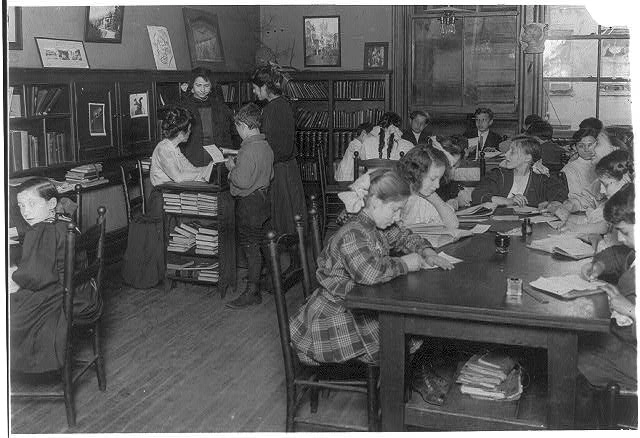
Around the turn of the century, immigrants on New York City’s Lower East Side faced harsh living conditions.
In this neighborhood, Lillian Wald founded the Henry Street Settlement to offer residents health care and educational and recreational programming. Through the settlement, Lillian spearheaded campaigns for social reform and public health and helped to make public nursing a respected profession. One lasting result? It established the Visiting Nurse Service of New York.
The Henry Street Settlement is still in operation and has a history center on Wald and her work. Learn more through online or in-person at exhibits and on various tours.
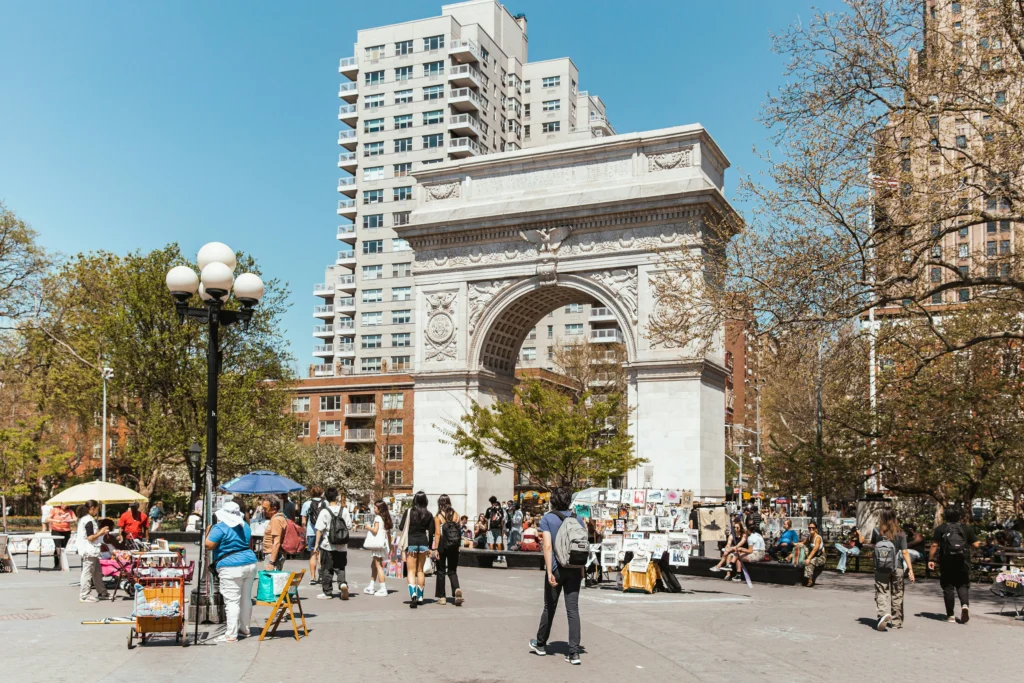
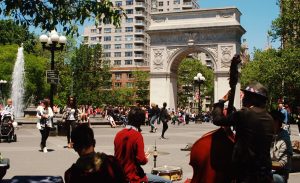
Greenwich Village would have looked a lot different if NYC’s Parks Commissioner Robert Moses had his way. In the 1950s, Robert, whose city development projects caused a lot of controversy, wanted to build an expressway directly cutting through Washington Square Park.
In turn, many women from this neighborhood joined in its opposition.
Shirley Hayes, then a young mother of four, initiated what would stop all vehicle traffic right through the park with the seven-year-long “Save the Square!” campaign.
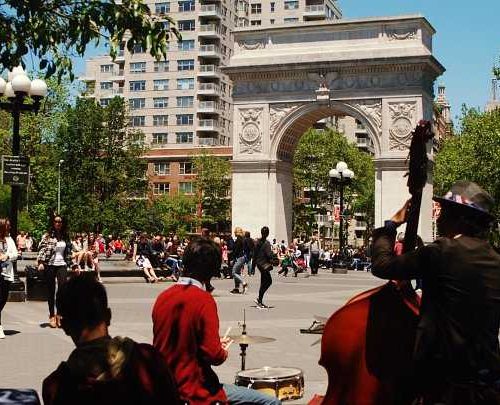
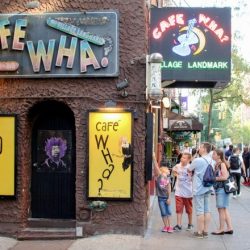
Jane Jacobs, an author and urban preservation activist, also got involved in these grassroots efforts. Along with Shirley and others, Jane helped establish the Joint Emergency Committee to Close Washington Square Park to Traffic. All their work shut down Robert’s plan.
Fun fact: Washington Square Park, a popular hangout spot, is one of the stops on our Greenwich Village Walking Tour.

Following the JFK assassination, the former First Lady settled in New York City with her children, Caroline and John Jr. She would also be instrumental in saving an NYC icon from the wrecking ball.
In the ’70s, Jackie Kennedy Onassis led a historic preservation campaign to protect Grand Central Terminal from demolition. Her efforts also aided in giving Grand Central landmark status.
There are two areas inside the terminal dedicated to her. Its main entrance on Park Avenue is called Jacqueline Kennedy Onassis Foyer, while a wall plaque with a bronze relief of her is on view in Vanderbilt Hall.
Bonus: In Central Park, the Jacqueline Kennedy Onassis Reservoir gets its name from Jackie having jogged there frequently — her apartment overlooked the park.
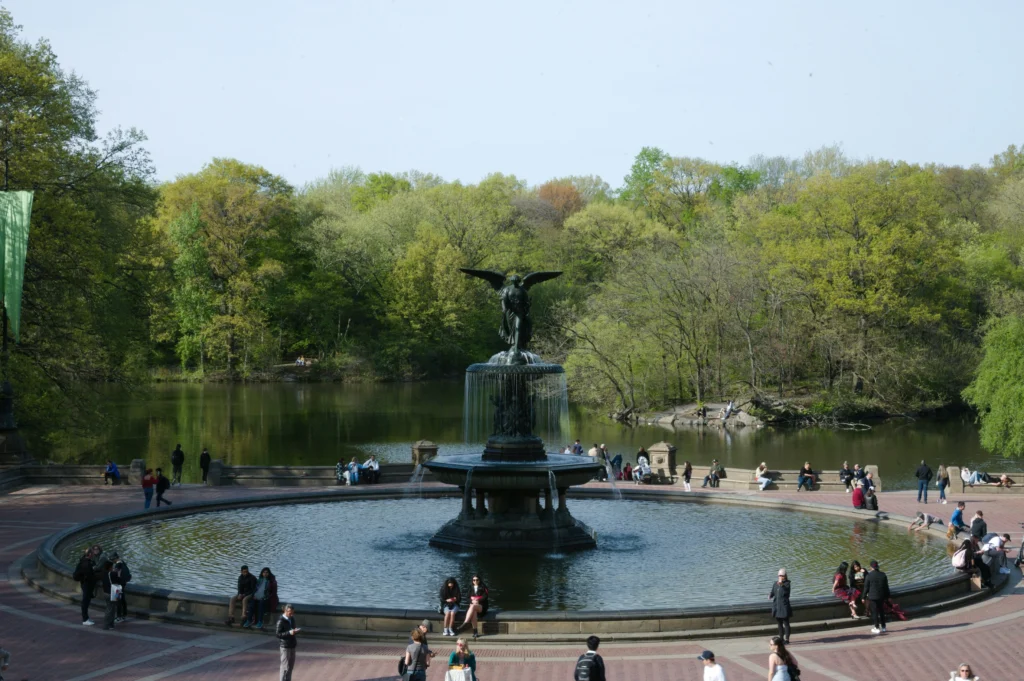
Speaking of Central Park, this is another must-visit spot for Women’s History Month. Why? It boasts the sculpture by the first woman to receive a public art commission in New York City, Emma Stebbins.
She sculpted the “Angel of Waters” at the famous Bethesda Fountain, a key photo spot in the park and a backdrop in many New York movie scenes.
Its design is based upon the biblical story of the angel who gives the waters of the Bethesda healing powers.
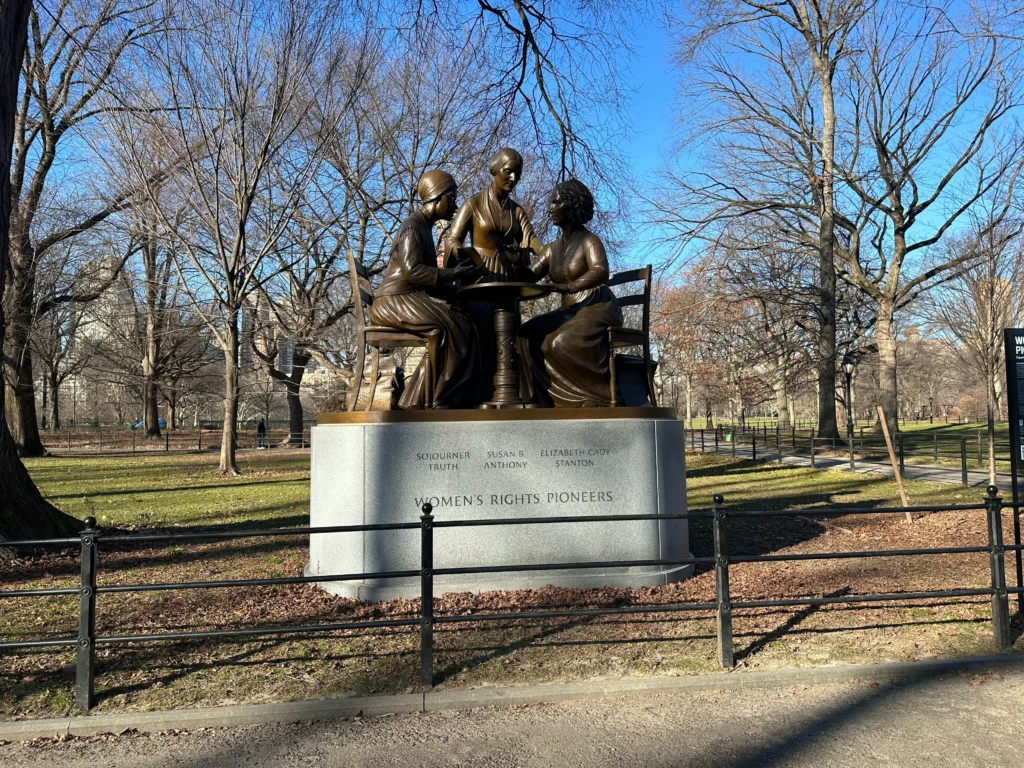
Local tip: While in Central Park, head to the Women’s Rights Pioneers Monument at The Mall. This bronze sculpture features feminist pioneers Sojourner Truth, Susan B. Anthony, and Elizabeth Cady Stanton.
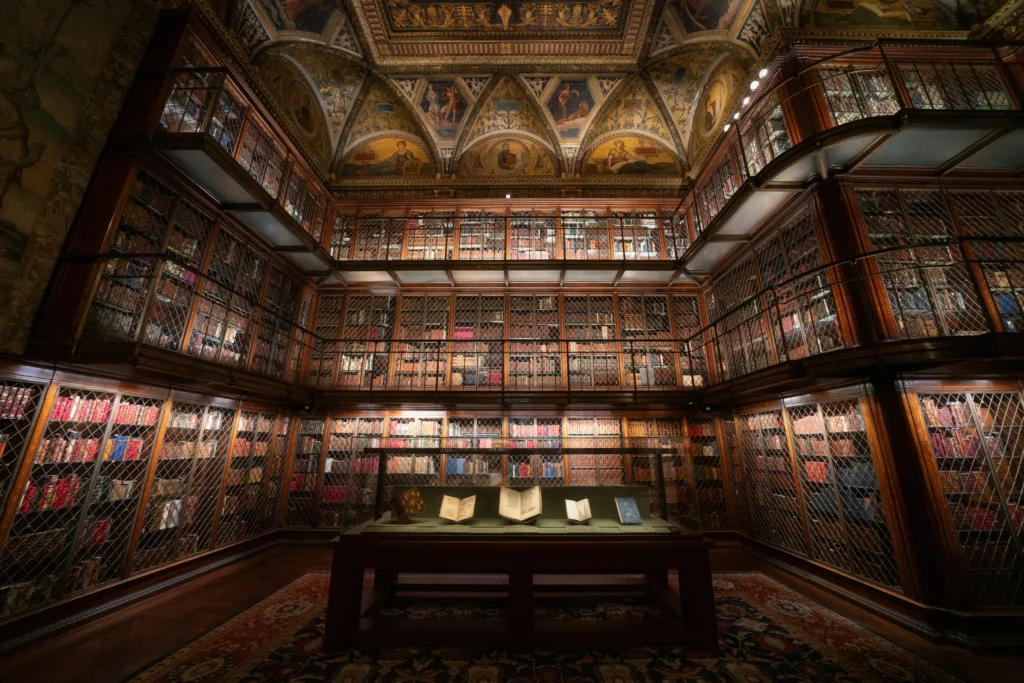
This museum in Manhattan’s Murray Hill was the private library of financier J. Pierpont Morgan. While Morgan’s wealth let him purchase many rare books and manuscripts, it was Morgan’s personal librarian who gave his collection its prominence.
For 43 years, Belle da Costa Greene worked for Morgan and then his son, J.P. Morgan Jr., in curating the family’s private collection. Her work would turn this library building into a public institution in 1924. Belle also served as the museum’s first director, a position she held until her retirement in 1948.
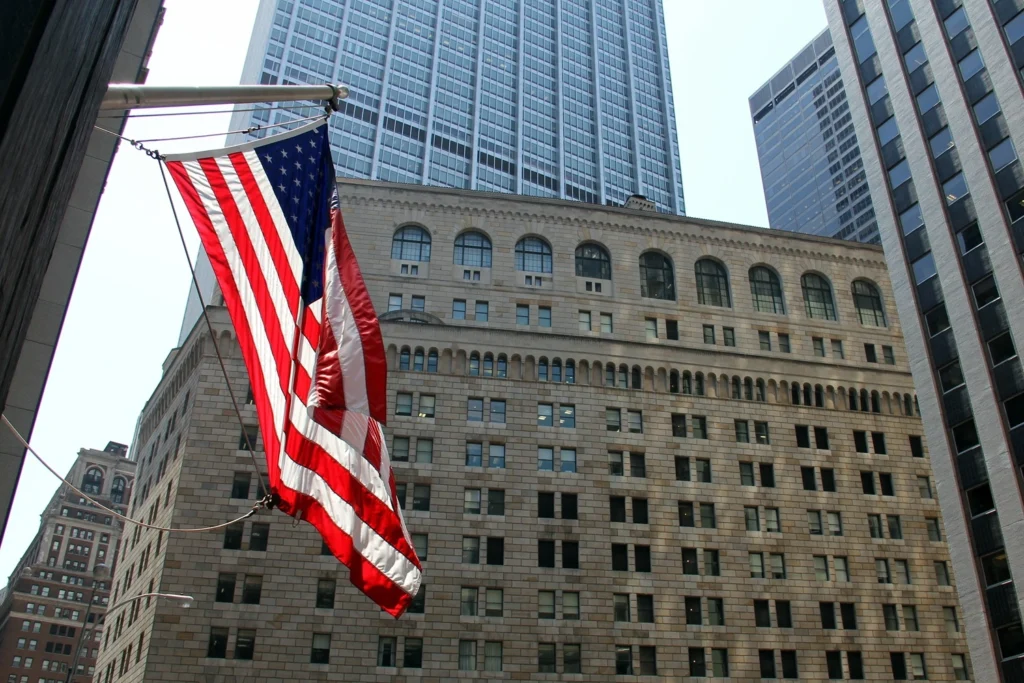
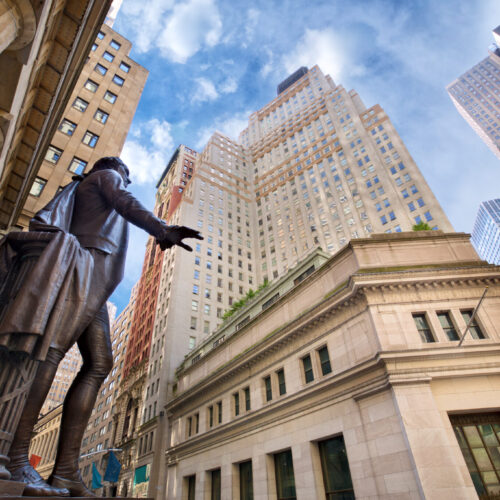
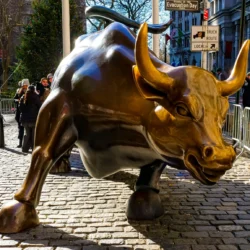
Historically, Wall Street and the financial sector in general has been largely male-dominated. However, women in New York have made names for themselves here too.
For example, in the 1870s, sisters Victoria Woodhull and Tennessee Claflin opened the first female stock brokerage firm in New York City. And Victoria would do something even more unique — she was the first woman to run for president (in 1872!).
Fun fact: A century later, Wall Street broker Muriel Siebert was the first woman to become a member of the New York Stock Exchange and the superintendent of banking for New York State.
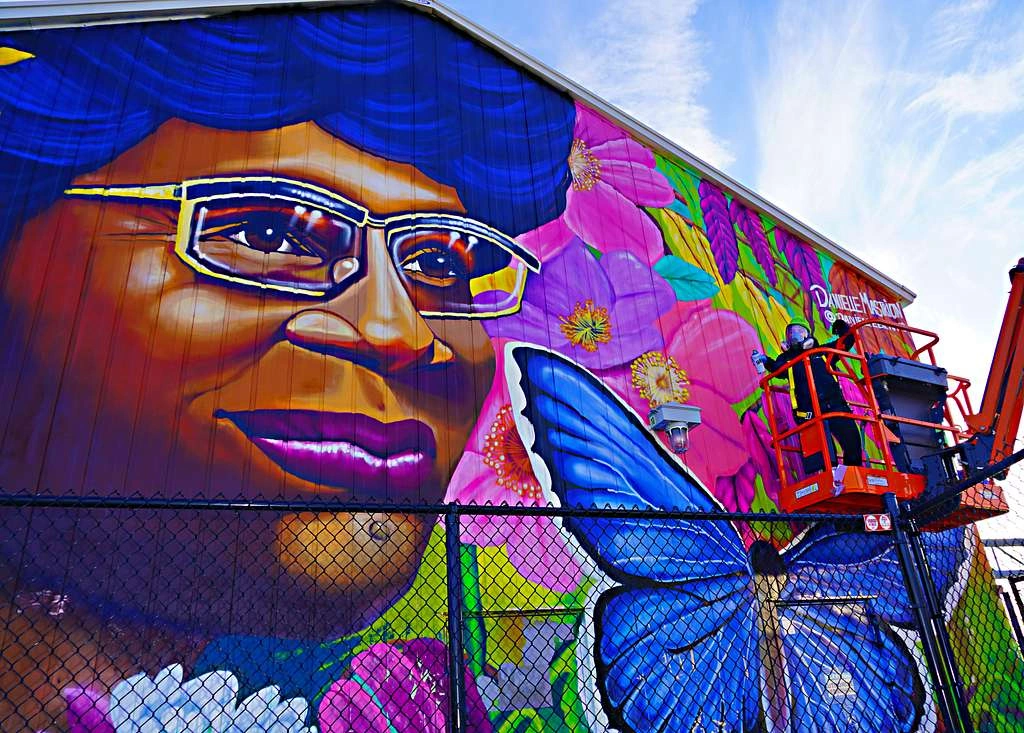
This park in southeastern Brooklyn is named for the first Black woman elected to Congress back in 1968.
The Brooklyn-born Shirley Chisholm served seven terms in the U.S. House of Representatives, until 1983. She was active on Congressional committees focusing on military veterans and education and labor.
In 1972, Shirley would become the first woman to run for the Democratic Party’s presidential nomination. During her years of public service, she was a strong advocate for civil and women’s rights as well as for underserved communities.
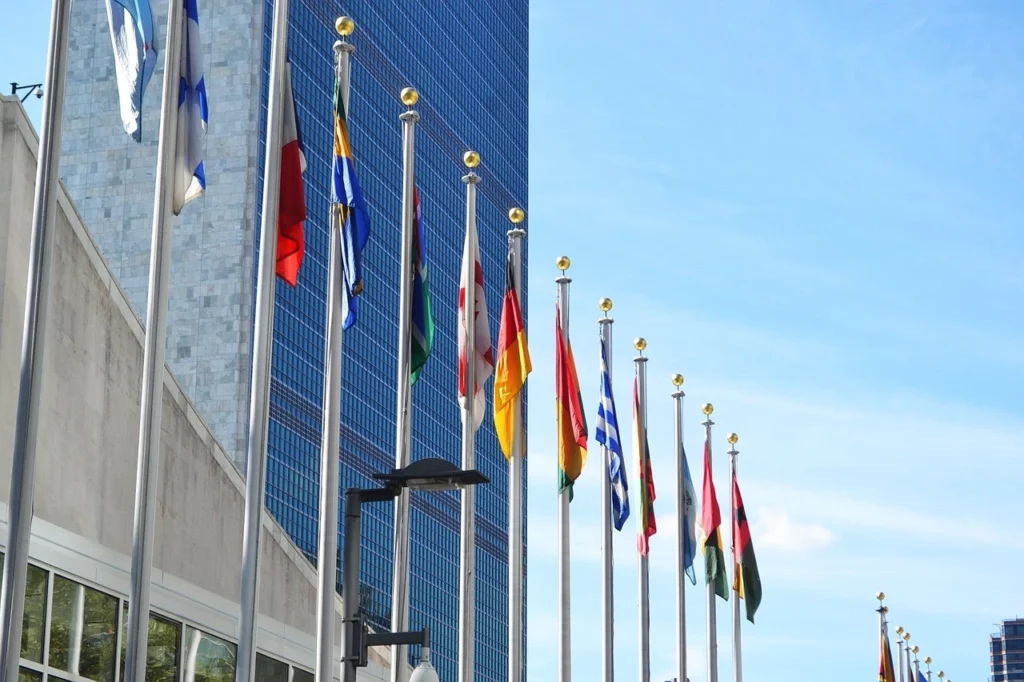
This First Lady, who was born in New York City, lived in the city throughout much of her life.
Among other organizations where she volunteered her time or worked, Eleanor is often associated with the United Nations in Manhattan’s Turtle Bay. In 1945, President Harry S. Truman appointed her as a delegate to the United Nations General Assembly.
The next year, she became the first chairperson of the UN’s Human Rights Commission, where she played a major role in drafting the Universal Declaration of Human Rights. If all this sounds pretty interesting, you can go on a guided tour of the UN Headquarters and see the General Assembly Hall.

The daughter of Cornelius Vanderbilt II, Gertrude Vanderbilt Whitney became a sculptor and an American arts patron in the early 20th century. In 1914, she began exhibiting American artists’ work by creating the Whitney Studio in Greenwich Village.
After offering to gift her over 500-piece art collection to the Metropolitan Museum of Art was rejected, Whitney started her own museum focusing on American artists.
Opened in 1931, the Whitney Museum of American Art changed locations over the years. It’s currently based in Manhattan’s Meatpacking District.
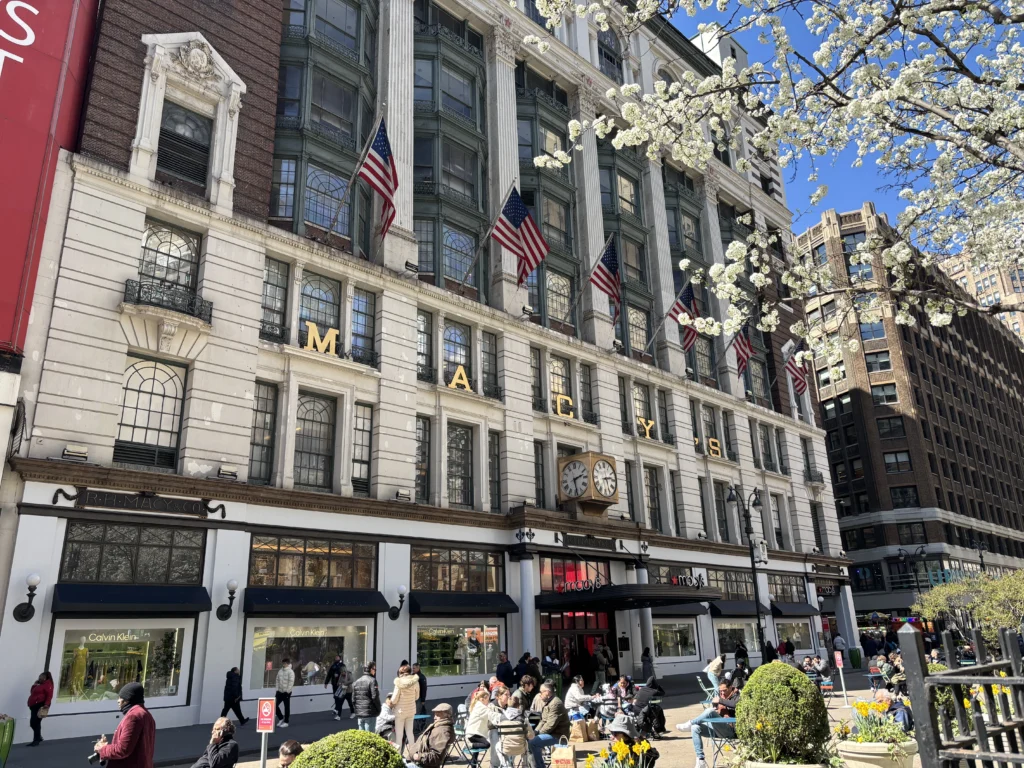
Macy’s in Herald Square is a popular NYC shopping destination, but did you know that much of the department store’s success is due to its first female executive?
Margaret Getchell LaForge, a distant cousin of R.H. Macy, moved to NYC from Nantucket in search of a job at his then-new store. Her knack for numbers promoted her to bookkeeper but her skills in customer service, management and marketing led to her role as the store’s superintendent.
She’s credited with encouraging the use of Macy’s famous red star logo. She also developed interesting window displays — like dressing two cats in doll’s clothes and putting them inside baby cribs to sell photos.
While on the job, Margaret met her husband, Abiel LaForge. Sadly, despite her accomplishments, Margaret was asked to give up her salary when Abiel was promoted to partner. Her influence in retail remains today.
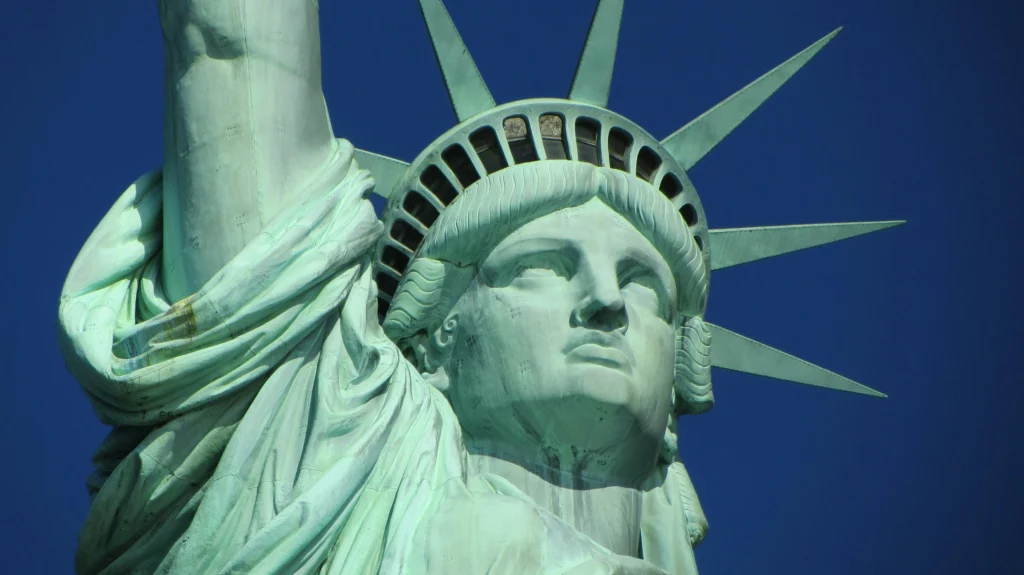
If you’re familiar with the Statue of Liberty, you’ve probably come across these famous lines: “Give me your tired, your poor, your huddled masses yearning to breathe free.”
These words were created by Emma Lazarus in her poem “The New Colossus,” and it’s engraved on a plaque on the Statue of Liberty’s pedestal.
Born in New York City, Emma was a Jewish American author who was heavily involved in charitable work for refugees. At Wards Island, she worked as an aide for Jewish immigrants who had been detained by Castle Garden (a precursor to Ellis Island) immigration officials.
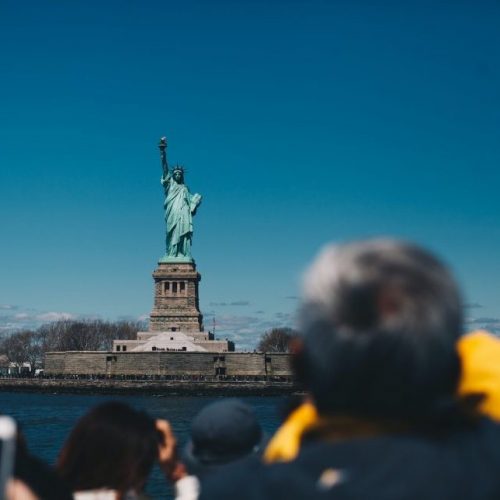
In 1883, Emma was asked to write a sonnet for an auction to raise funds for building the pedestal for the Statue of Liberty, so she penned “The New Colossus,” inspired by her Sephardic Jewish heritage and experience working with immigrants.
Learn more about this poem and New York’s immigrant history on our award-winning Statue of Liberty and Ellis Island Tour!
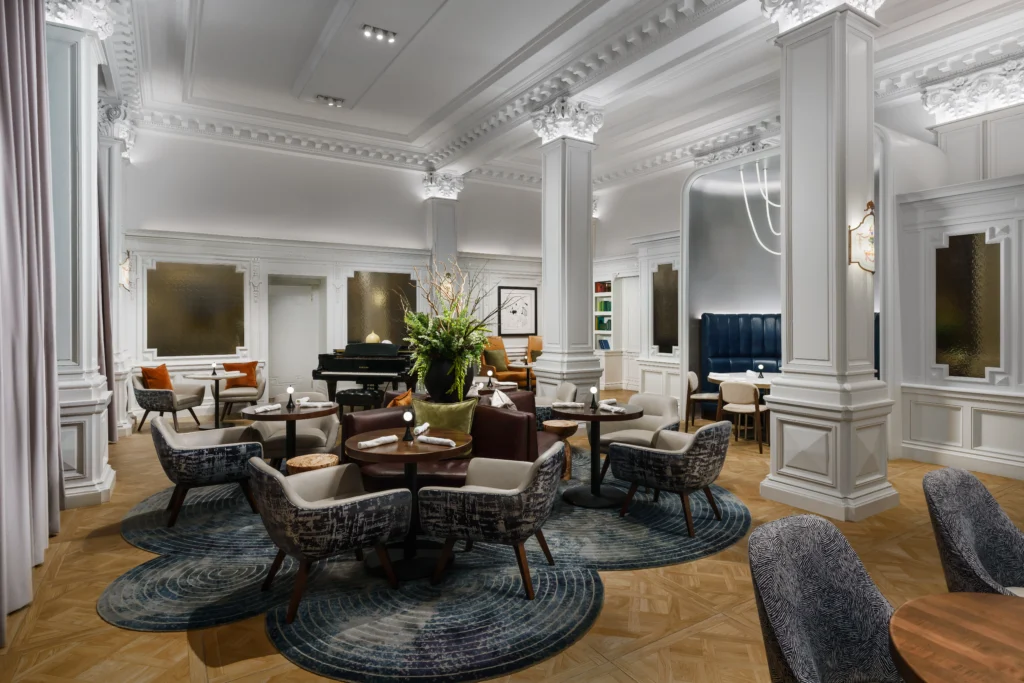
Here’s a story I bet you’ve never heard.
This versatile writer with a sharp wit was a regular at this grand hotel in Midtown with other influencers of her day. Collectively, they formed The Algonquin Round Table, later known as “The Vicious Circle” and met for lunch at the hotel daily for almost 10 years.
As a charter member of this group, Dorothy Parker had quite the resume. She held jobs with Vogue and Vanity Fair and was a founding member of The New Yorker’s editorial board. As a screenplay writer, she earned an Academy Award nomination for A Star Is Born in 1937.
Today, The Algonquin Hotel has an onsite restaurant named after this famous table.
Fun fact: A tradition since the 1920s, started by actor John Barrymore, the hotel has a lobby cat lounging around. If you want to hear what a day in the life of a cat caretaker is like (part brushing, part managing the cat’s fan mail), Condé Nast Traveler did a brilliant feature on the woman who got the job.
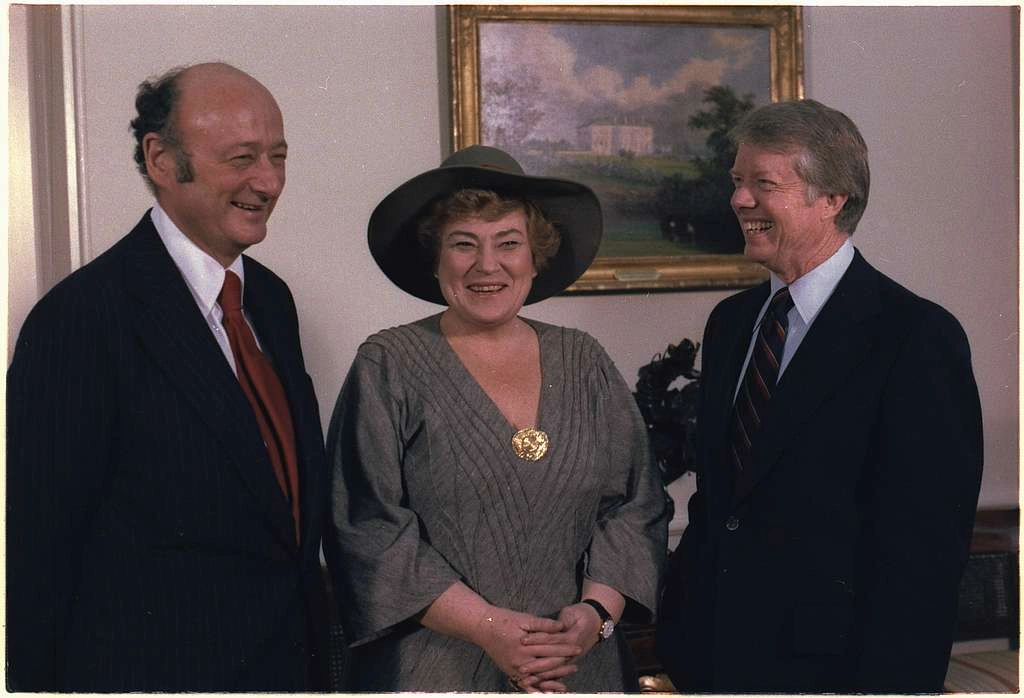
Located in Hudson Yards, this shared public space honors Congresswoman Bella Abzug (pictured above), a Bronx-born lawyer and women’s and civil rights activist. When running for Congress, she used the slogan, “This woman’s place is in the house… the House of Representatives!”
Bella wore lavish hats as her trademark and was involved in landmark legislation. In the ’70s, she spearheaded a law enabling married women to have credit cards in their names and introduced the first gay rights bill in Congress.
Local tip: If you’re in the West Village, you might come across Bella Abzug Way at the southeast corner of Bank Street and Greenwich Avenue. It’s near where she once lived.
On Staten Island, this house turned museum teaches about Alice Austen, one of America’s first female photographers to work outside of her studio. Austen captured images of an everchanging NYC amid the Victorian era and the world around her.
The house, surrounded by a waterfront park, is also seen as an important LGBTQ historical site. Visitors can learn about Alice’s 55-year relationship with her partner, Gertrude Tate.
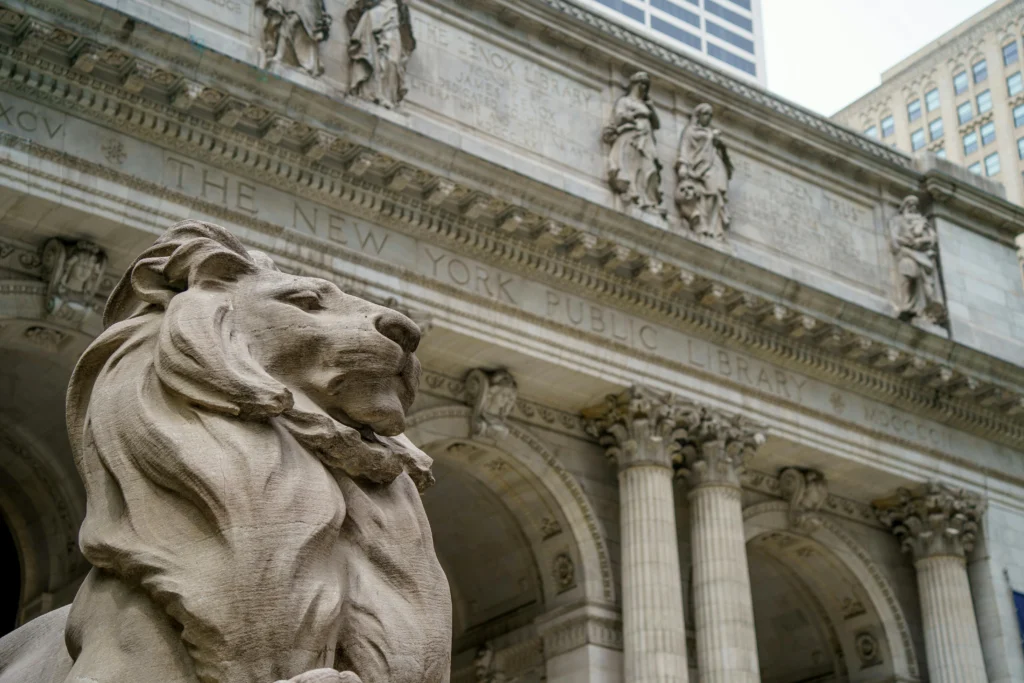
To find out even more about women’s history in New York City, here are some great places to visit.
And there are still more amazing women whose New York stories should be shared. Come take a tour with us to discover stories like these and so much more about the city we love.
12 NYC Museums You Should Know
New York City is a world-renowned destination for many attractions, including its famous museums. You might have already heard about the Metropolitan Museum…
 Facts About Ellis Island: 11 Numbers on Immigration and More
Today, Ellis Island is a symbol — like the Statue of Liberty — of American immigration, and a site for many citizens to…
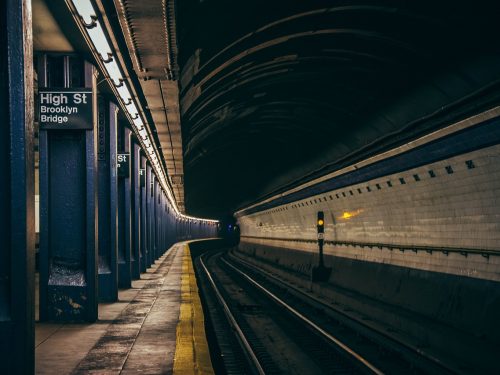 History of the Haunted Subways of New York City
Running deep through the dark underworld of New York City, the subway system is the setting of a fair share of spooky stories…