 Vatican City for Free: What To See in St. Peter’s Square
In the heart of Rome, just west of the Tiber River, is Vatican City. A city, yes, but also the smallest country in…
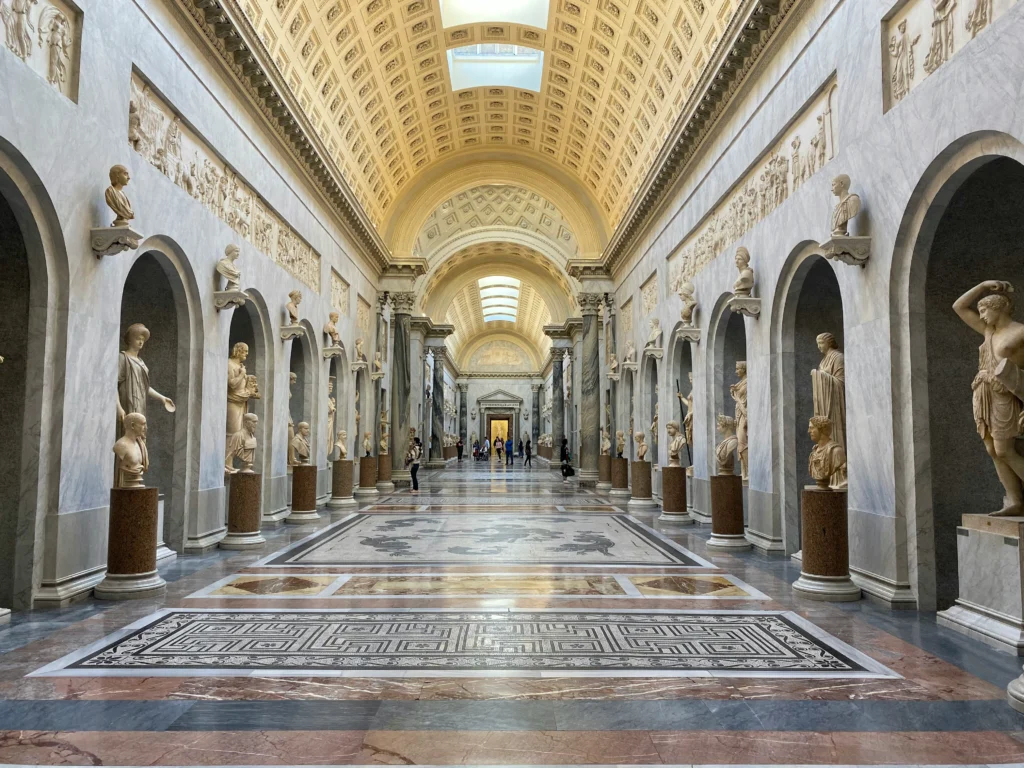
No visit to a city is complete without a visit to its best museums. If Paris has its Louvre and Madrid the Prado, Rome is all about the Vatican Museums.
While technically inside the independent Vatican City, the Vatican Museums became a must-see for anybody who travels to the Italian capital. Countless visitors come every day to admire the wonders contained inside its walls.
The first time I visited myself was on a school trip when I was only 9 years old. It’s typical for Roman students to spend a day at the Vatican Museums, and I was no exception. I’ll never forget the awe I felt that day while walking the halls of the museums. Of course, I’ve been several times since then, and each time, I’m amazed.
In this blog, I’ll tell you all there is to know about the Vatican Museums and to prepare for your visit. Once you’re there, I do hope you’ll feel the same way that little Roman felt on his first visit!
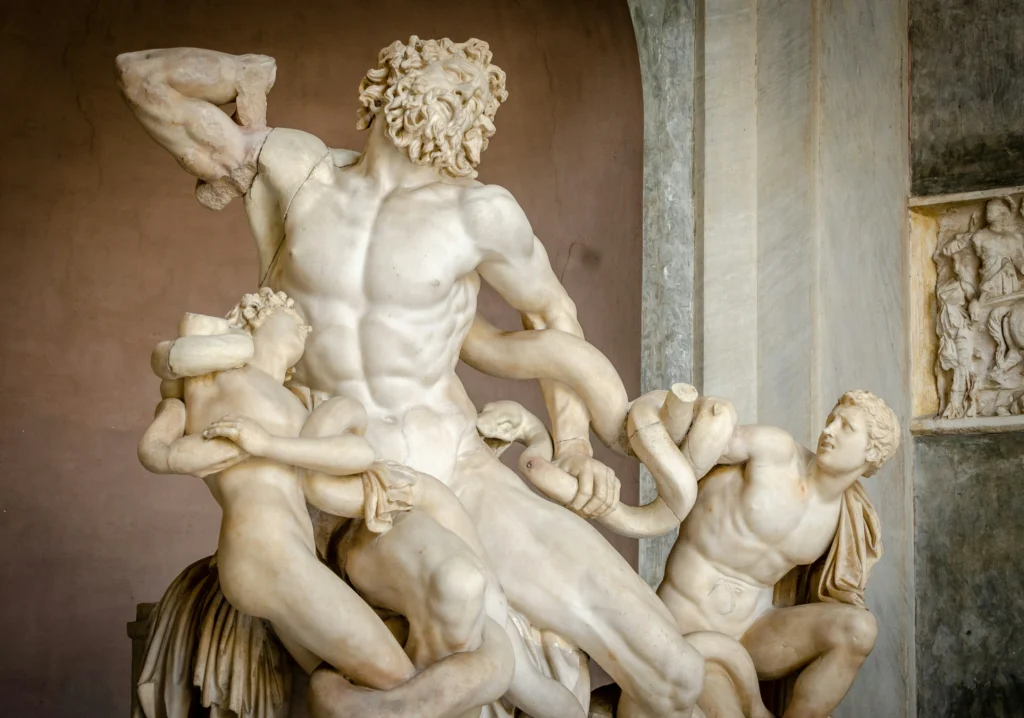
The history of the Vatican Museums started with one of its most famous statues — “Laocoön and His Sons.” In 1506 the statue, which represents the Trojan priest Laocoön and his sons, was discovered in a vineyard in Rome. Pope Jules II bought it and decided to display it publicly at the Vatican.
The popes acquired many art pieces over the centuries and opened different sections of the museums to contain them. In 1771, Pope Clement XIV established the Pio-Clementino Museum to showcase Renaissance and classical art. The year 1932 marked the establishment of the Pinacoteca Vaticana as a gallery showcasing a vast collection of paintings.
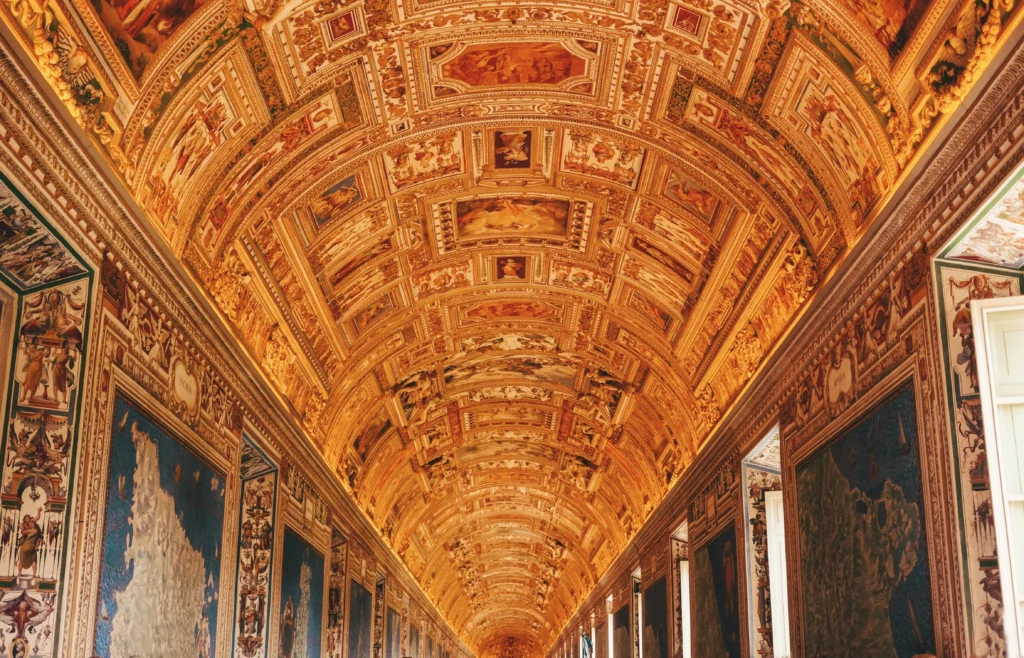
The Vatican Museums contain an impressive collection of classical statues, ancient maps, and beautiful paintings, among many other wonders. It can be difficult to choose the best sights among so many options.
So what should you see? The best solution is to go with a guide who can show you the can’t miss artwork and share the stories behind them.
But meanwhile, here’s an overview of the key exhibits to enjoy in the Vatican Museums.
Pinacoteca Vaticana: Pope Pius XI ordered its construction in 1932 to host the Vatican art gallery. Here you’ll admire paintings from artists such as Raphael, Caravaggio, and Giotto.
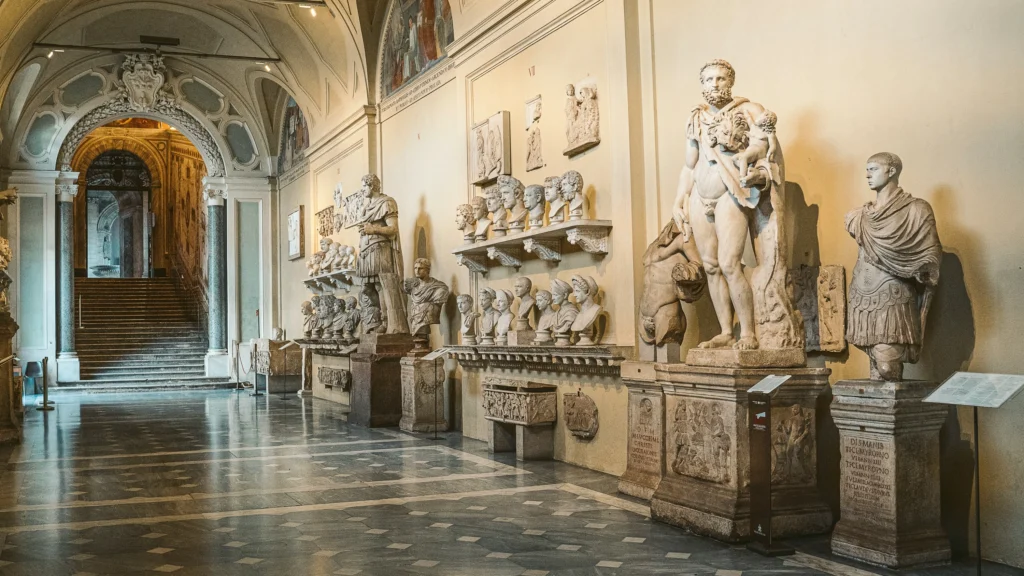
Pio-Clementino Museum: The largest section of the museums, the Pio-Clementino Museum owes its name to Popes Clement XIV and Pius VI. Beautiful Greek and Roman statues will surprise you along the way. In its Octagonal Court, you’ll find the stunning “Laoöcon and His Sons.”
The Egyptian Museum: For a moment, you’ll feel like you’re not in Italy anymore! This section will show you mummies, sarcophagi, and statues from Ancient Egypt.
The Raphael Rooms: These four rooms are decorated with frescoes by the famous painter Raphael. The rooms were originally supposed to be a part of an apartment for the Pope. Today, they’re one of the greatest examples of the Roman Renaissance.
Gallery of Maps: The gallery displays frescoes depicting maps of the Italian regions and cities. They’re the work of Ignazio Danti, a geographer. If you ever wondered how people got by before the invention of GPS, here is your answer!
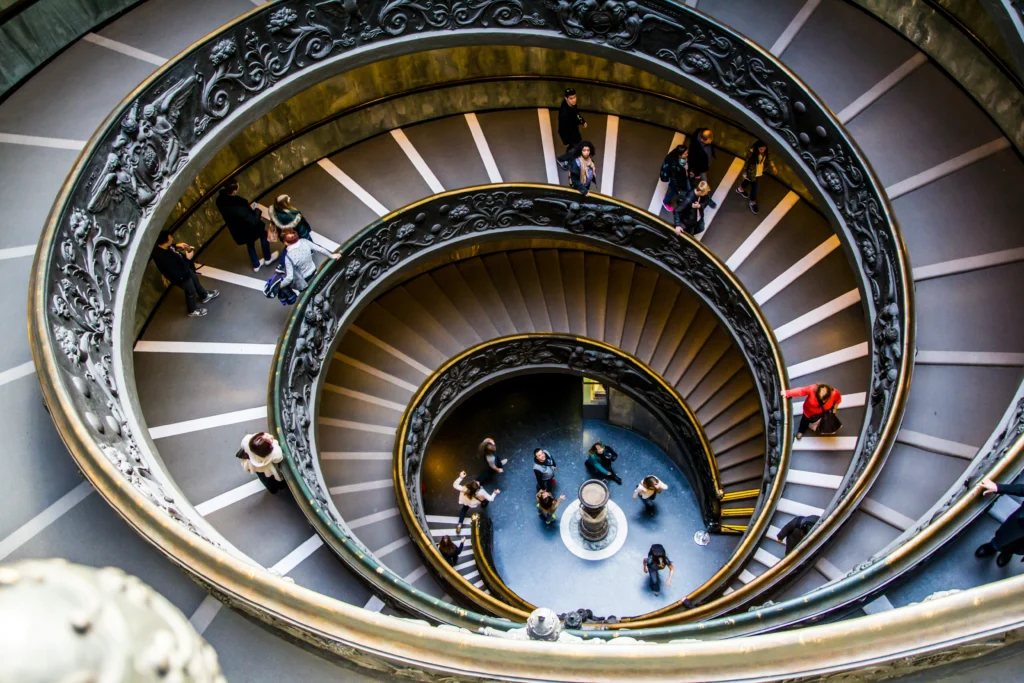
Bramante Staircase: This unusual staircase might surprise you. The original staircase was built in 1505, while the current one is much more modern — from 1932. The unique design of the structure ensures that people going up and down never cross paths. No traffic jams here!
Sistine Chapel: The iconic chapel was made world-famous by Michelangelo’s genius. If you want to know all about it, check out our guide to the Sistine Chapel!
There are endless secrets and curiosities about the Vatican Museums. Here are some of my favorites.

Since the Vatican Museums are so vast and full of things to do, you might be wondering how to make the most of your visit.
Take a guided tour, and a local expert will show you all the wonders and the little secrets hidden in the museums. I recommend looking for a tour that is budget-friendly — more money for pizza and gelato!
Before you get ready to enjoy your visit to the Vatican Museums, here are some things you should keep in mind.
First, the Vatican Museums are big — very, very big. Most people spend more than three hours inside them. To visit both the museums and St. Peter’s Basilica on the same day could be tricky, so consider coming back another day to enjoy the basilica to its fullest.
Also, remember that even if they’re museums, you’re still in the Vatican City. You should dress modestly, covering your shoulders and knees. And wear comfortable shoes, since you’ll do a lot of walking.
While it’s possible to take pictures without flash inside the museums, it’s strictly forbidden to take photos or videos inside the Sistine Chapel, so don’t expect to capture Michelangelo’s “Creation of Adam” for your Insta!
Eating and drinking in the exhibition rooms also isn’t allowed, but this is fairly typical for a museum. You’ll also find places to grab a snack along the way.
Keep in mind that the Vatican Museums are closed on Sundays and during Catholic religious holidays.
If you want to reach the museums with public transportation, the metro is the best option. You can get off at either the Cipro or Ottaviano stations of the A line. From there, it’s a short walk to the Vatican Museums.
Vatican City for Free: What To See in St. Peter’s Square
In the heart of Rome, just west of the Tiber River, is Vatican City. A city, yes, but also the smallest country in…
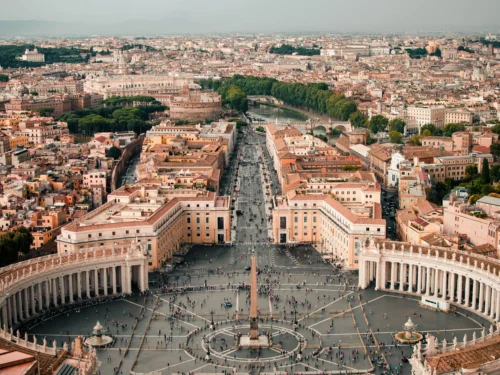 When To Visit The Vatican: Times, Days, and Seasons
Headquarters of the Roman Catholic Church and home to many incredible works of art, not to mention being the official residence of the…
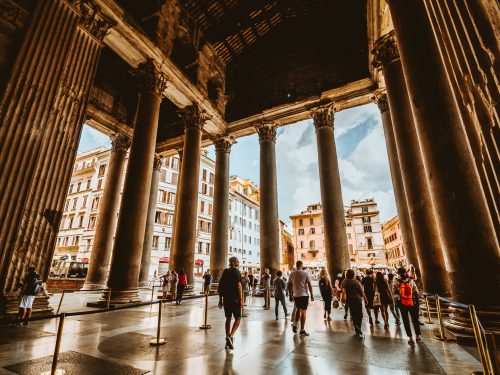 How To Enjoy Rome on a Budget: 5 Easy Tips
The best thing about visiting a historically rich city is the immersive experience and greater perspectives you gain. Unfortunately, many travelers are susceptible…