 10 Magical Things To Do in Montjuïc on Your Barcelona Trip
“Barcelona lo tiene todo” this is what we say: “Barcelona has it all.” Art, history, architecture, seaside and even hills, among which Montjuïc…
I got to take a fun hands-on workshop to learn how to cook a three-course Spanish meal, including paella with a Catalan twist — right here in Barcelona. I couldn’t believe how easy it was to make!
In this post, I’ll share what learning to make paella was like and how I even helped make Barcelona a better place while doing it.
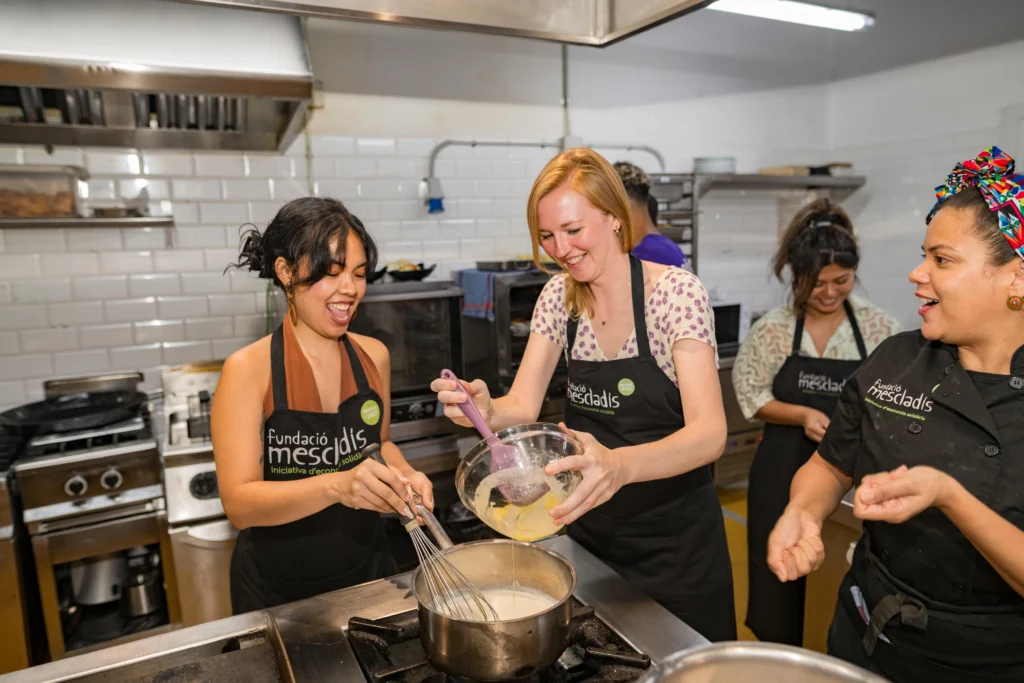
Have you ever traveled to a new place and wished you could recreate all the delicious food you tried after you returned home? If you’re like me, the answer is yes! Food is one of the best ways to get to know a culture, and learning how to prepare traditional dishes gives you more than just a taste of a place — it gives you a deeper understanding of its locals, ingredients, and cooking techniques.
That’s what you’ll get when you take this hands-on cooking class at Mescladís in Barcelona. Here, a local chef not only introduces you to Spanish cuisine, but also the specific flavor profile of Catalonia. But this special cooking class isn’t just about eating and bringing home recipes you can impress your friends with.
Mescladís is a nonprofit and Barcelona-based restaurant that’s on a mission to provide essential training and career opportunities to residents from marginalized communities, especially with migrant and refugee backgrounds. These hands-on cooking classes are one of the many ways they support this mission.
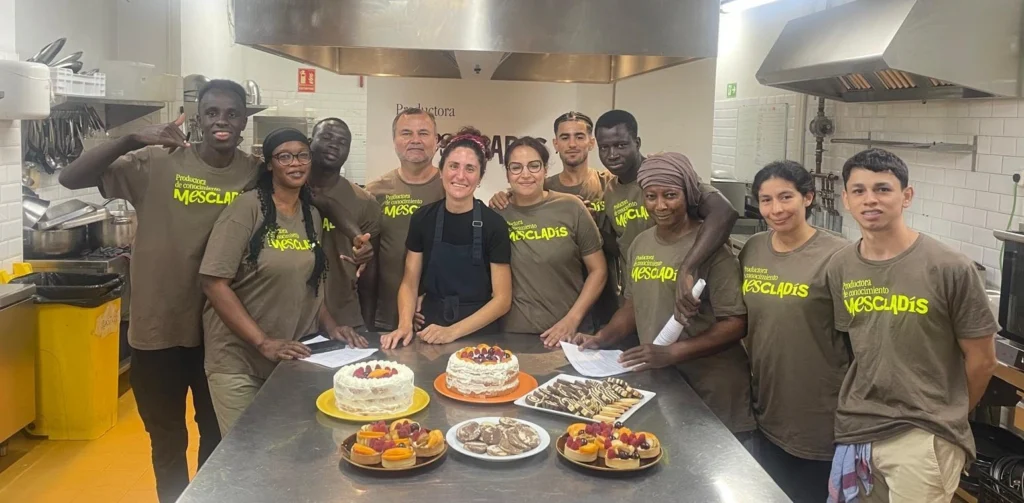
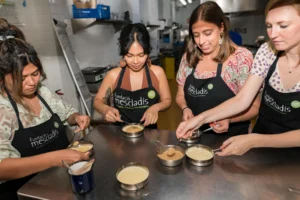
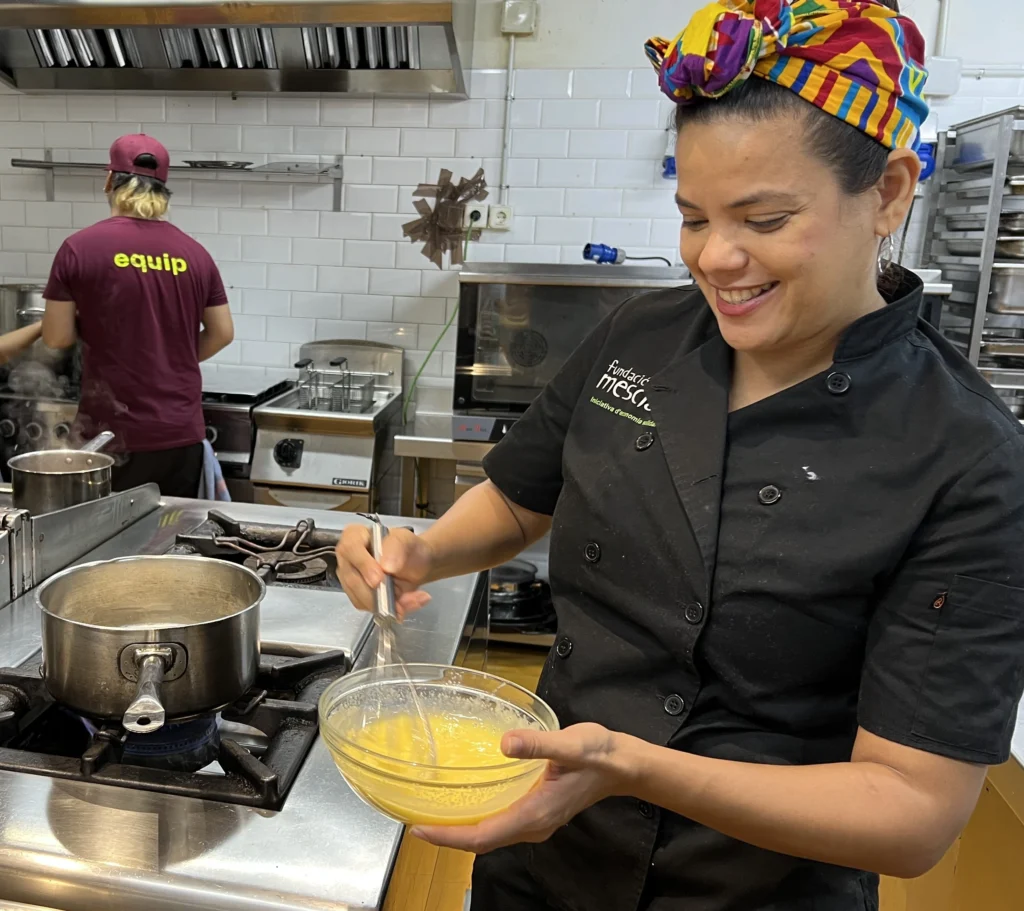
My class was led by Chef Diana, who specializes in gastronomic experiences that introduce people to the flavors of Colombia, the Caribbean, and, of course, Catalonia. Diana’s passion for the food we were preparing was clear, and she made sure we all had a job to do in the preparation of the different dishes.
But I know you’re waiting for me to answer the most important question: What did we cook? Let’s dig into what was on the menu!
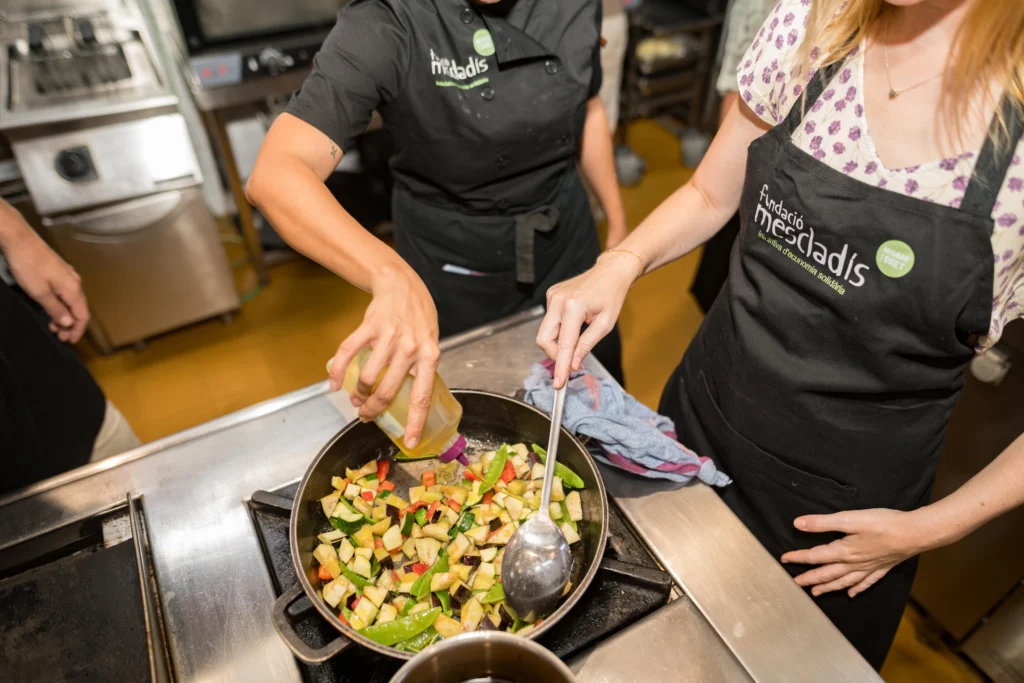
To help us better understand the food of Spain, Diana shared how each of the dishes we were making were tied to a different region, each one taking immense pride in their cultural cuisine.
Barcelona is the capital of the region of Catalonia, but the paella we were making is originally from Valencia. Diana’s “Catalan spin” on the dish was to add botifarra (“butifarra” in Spanish), an important sausage to the region that’s typically eaten on its own or used for cooking fava beans. The traditional Valencian paella is made with chicken, rabbit, duck, and snails, and I’m sure that anyone from Valencia would lose their mind if they knew we were making their famous dish with sausage. But when in Barcelona, eat as the Catalans eat!
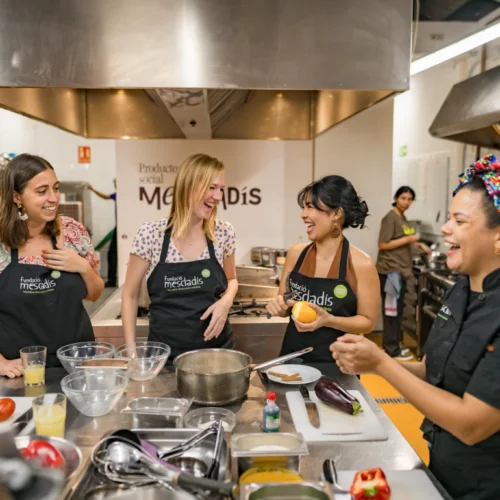
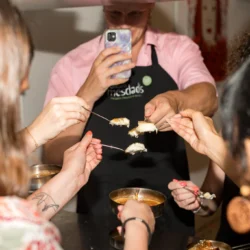
Of the three courses, the crema Catalana (“Catalan cream” in Catalan) is the one that actually originated from the region. Combined with the paella and gazpacho, which originates from the south, our meal was a tour of the flavor profiles of Spain.
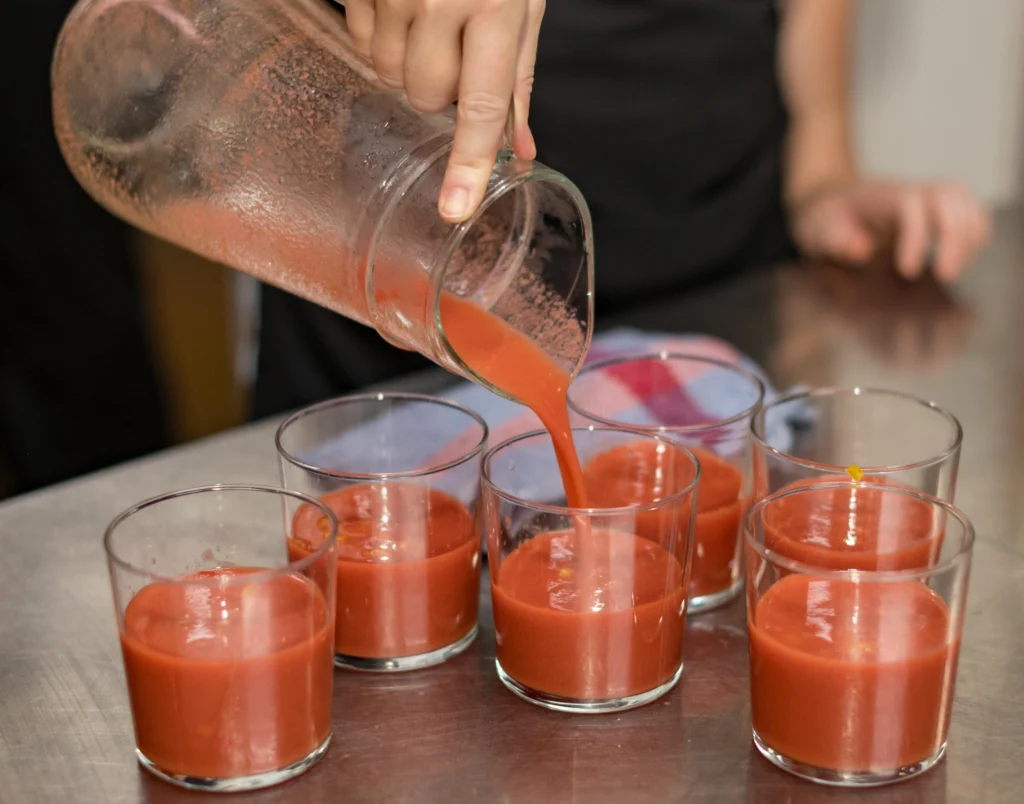
I took this cooking class on a humid October Saturday in Barcelona, which made it the perfect weather for gazpacho, a cold tomato soup that’s believed to have originated in Andalucia. This cold drinkable soup is simple to make and even simpler to eat when the weather is too hot to have the will to do anything.
For the gazpacho, we diced tomato, cucumber, red and green pepper, onion, and garlic, and used an immersion blender that I practically had to stand on my toes in order to crush the cubed vegetables placed in a strainer over a large bowl to extract the liquid.
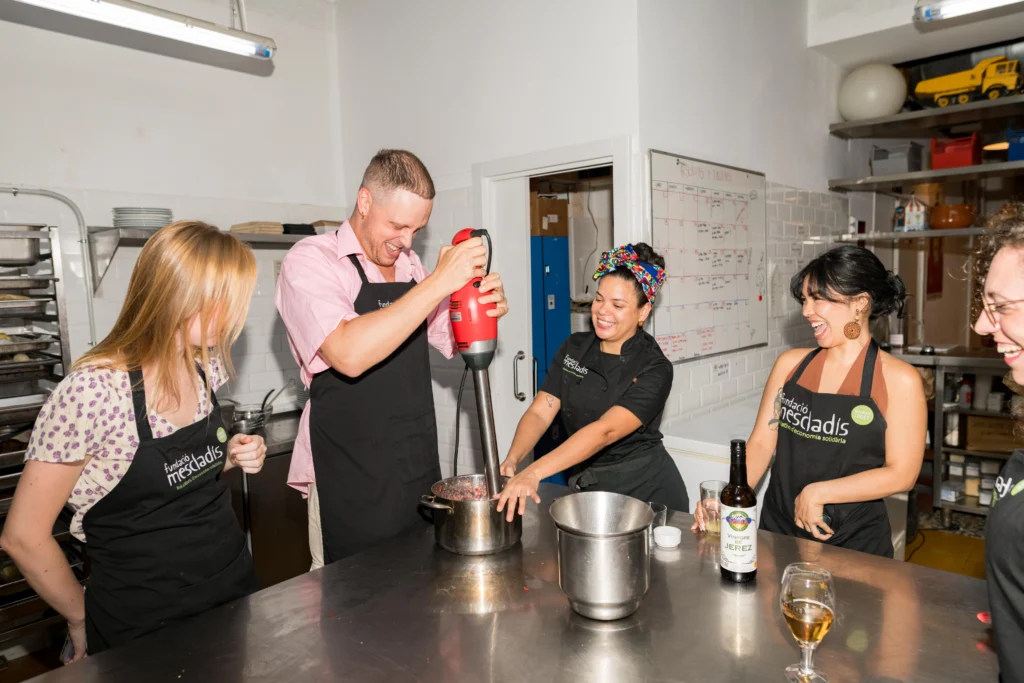
Once we had the broth for the soup, we added salt, pepper, olive oil, and vinegar from Jerez in Andalucia that smelled like Catholic church wine. If we wanted a slightly richer and creamier cold soup, we could have added a few pieces of bread to make it Salmorejo, which is also a recipe from southern Spain.
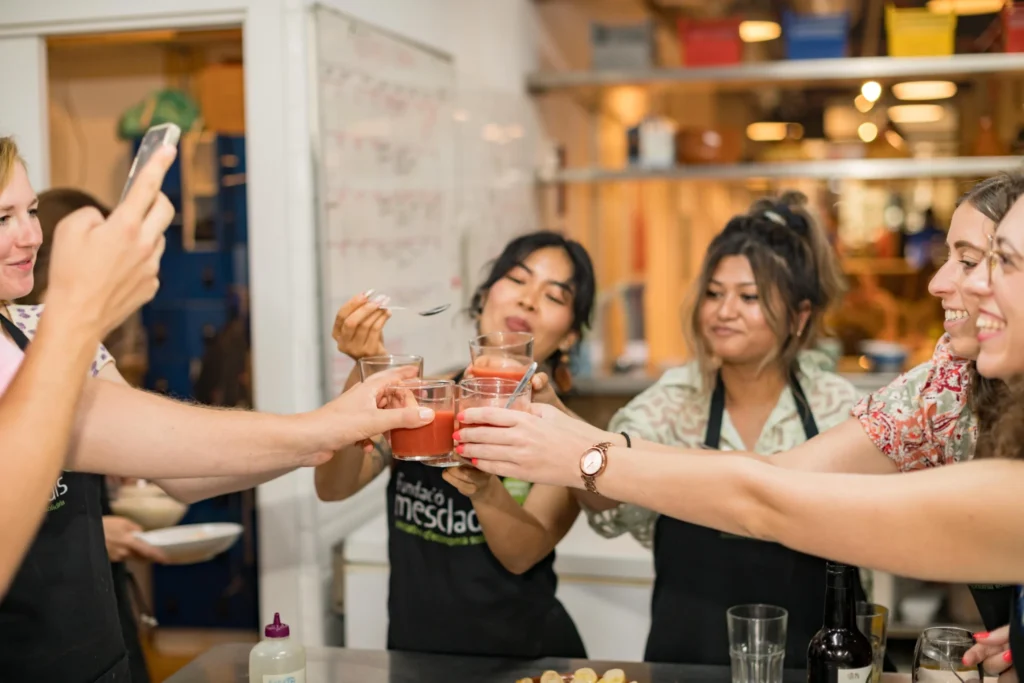
We drank our gazpacho as we continued making our meal. I added a lot of extra black pepper like I was drinking a Bloody Mary. We also dug into the vegetable scraps covered with olive oil with some toasted day-old bread — nothing goes to waste in Chef Diana’s kitchen.
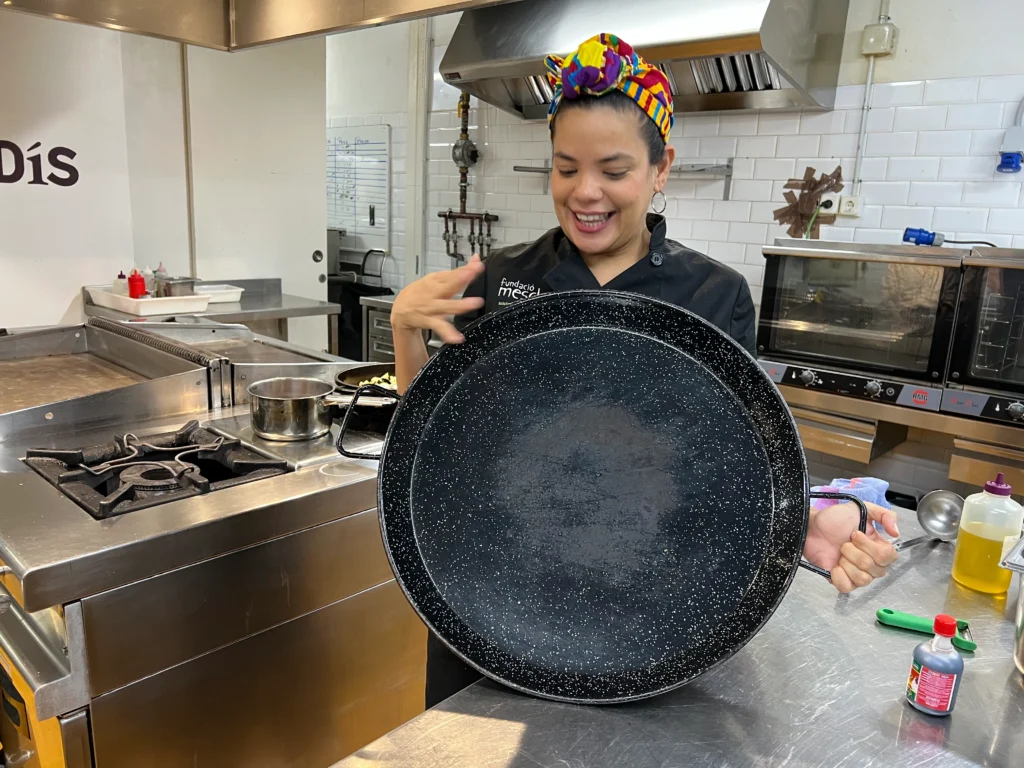
Interesting fact about paella — it refers to both the dish and the pan it’s cooked in. Diana had a 15-inch pan on hand, but pans can be as large as 30 inches, she said. The word paella comes from the old Valencian (a language similar to Catalan) word for “pan,” and Valencia is known as the birthplace of the quintessential rice dish.
Historically a simple lunch for farmers, the dish was made with rice and whatever ingredients were readily available. The traditional Valencian paella includes tomatoes, onions, snails, duck, rabbit, and chicken, but today there are many different paellas to enjoy.
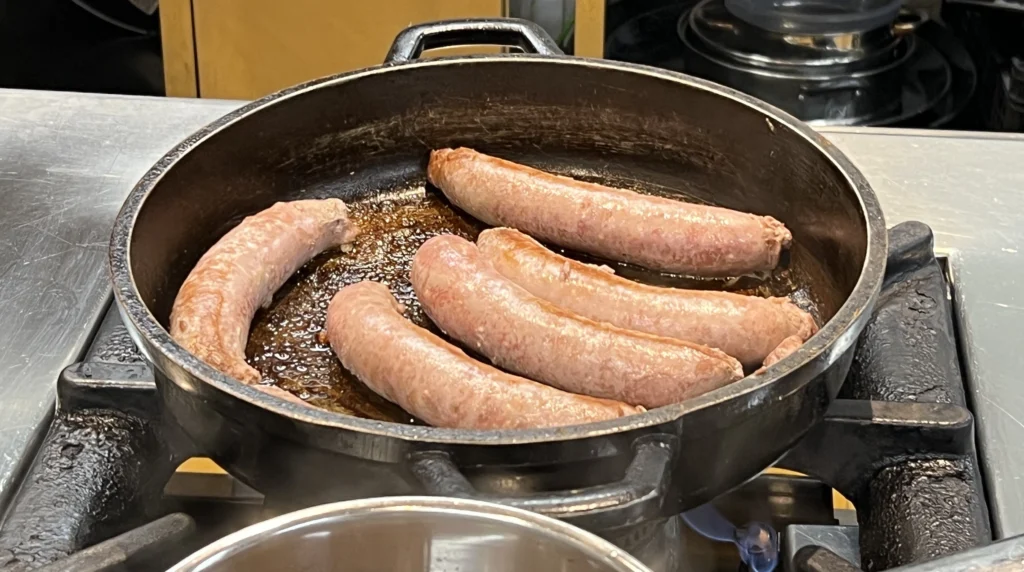
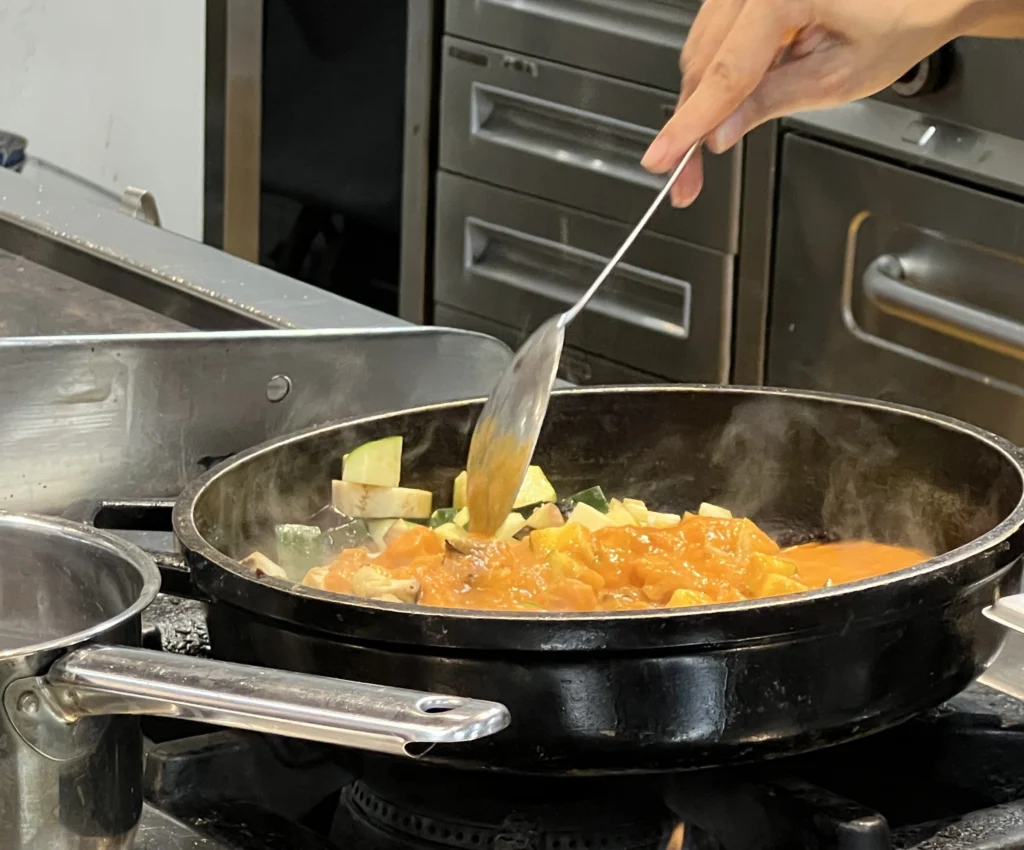
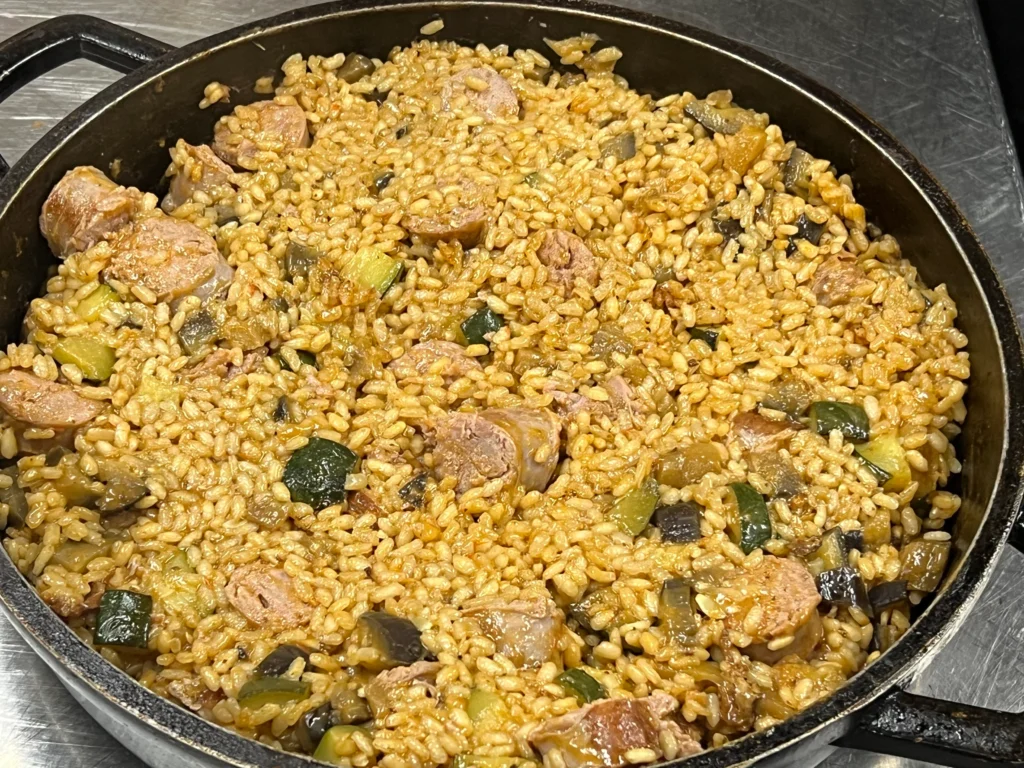
To put a Catalan spin on our paella, Diana had delicious butifarra that we sliced into coins to add. Combined with arborio rice (an Italian rice used for risotto), sofrito (our flavor base of sauteed garlic, onion, and tomato), eggplant, zucchini, and spring onion, the paella had an unmistakable Mediterranean flavor.
Once the rice was crispy at the bottom of the pan, it was time to eat, though we didn’t eat it the traditional way — straight out of the pan with our own wooden spoons that we brought to the feast, like the Valencian farmers of the past.
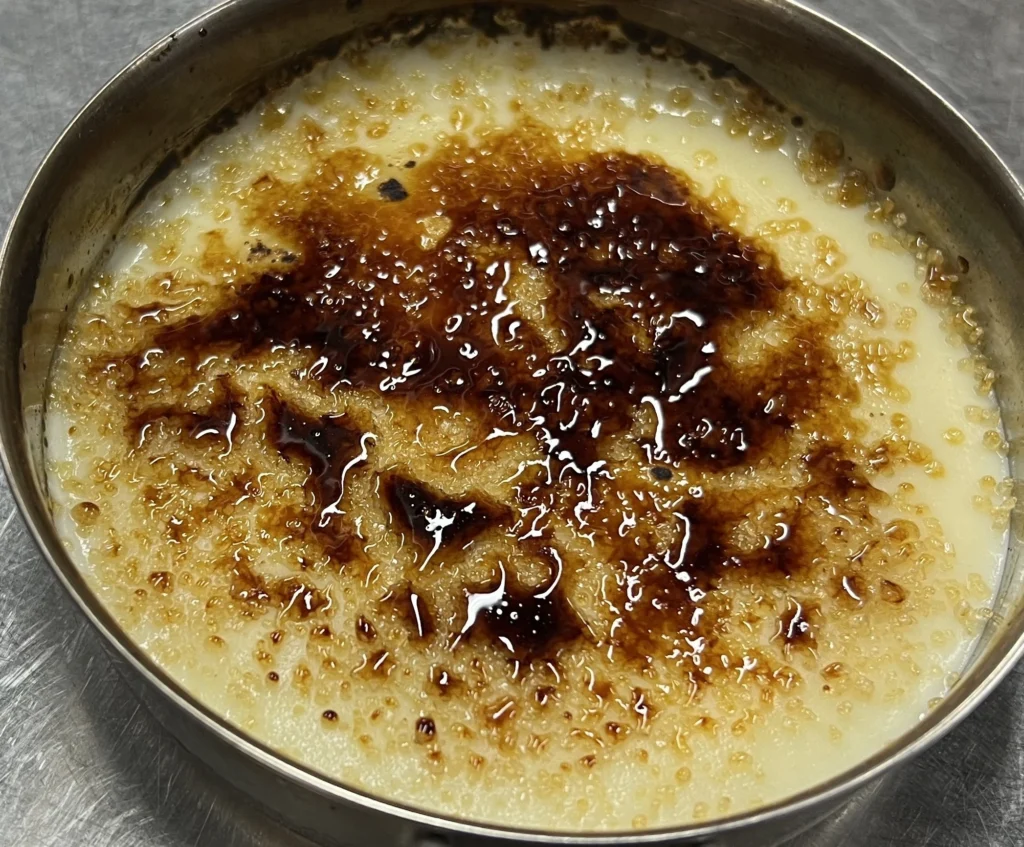
If you were to confuse crema Catalana with the, arguably more popular, French dessert crème brûlée, I couldn’t blame you. Based on looks alone, they’re both a custard dish with burnt sugar on top. But to paraphrase the dessert-inspired cliche, the proof really is in the pudding.
The major differences between crema Catalana and crème brûlée are in their preparation and flavor profile. The Catalan custard is made with milk thickened on the stovetop, while France’s version is made with cream and baked in a water bath. Traditionally, crème brûlée is flavored with vanilla, but crema Catalana is typically sweetened with cinnamon and citrus zest.
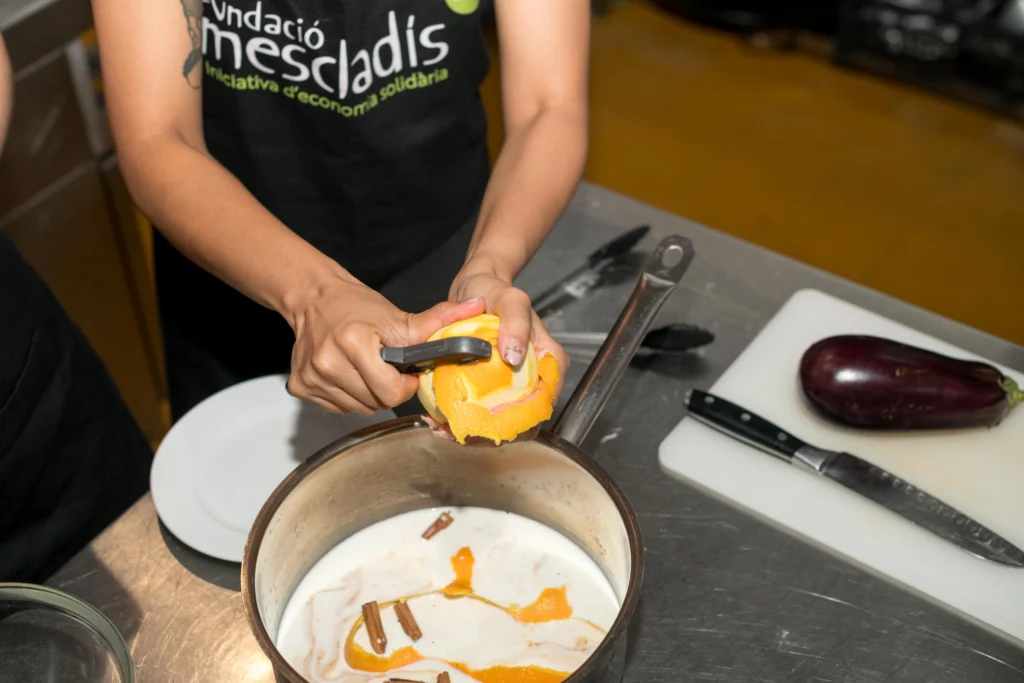
The custard came together quickly after whisking the egg yolks and combining them with the milk and sugar on the stovetop. And the joy of cooking sweet treats in the kitchen is, of course, sneaking a taste before it’s ready — none of us could resist swiping a finger against the custard-coated mixing spoon to taste it before being transformed on the stove.
Finally, we did the crucial final step: burning the sugar until it becomes a sheet of glass you need to crack with a spoon to reach the custard underneath.
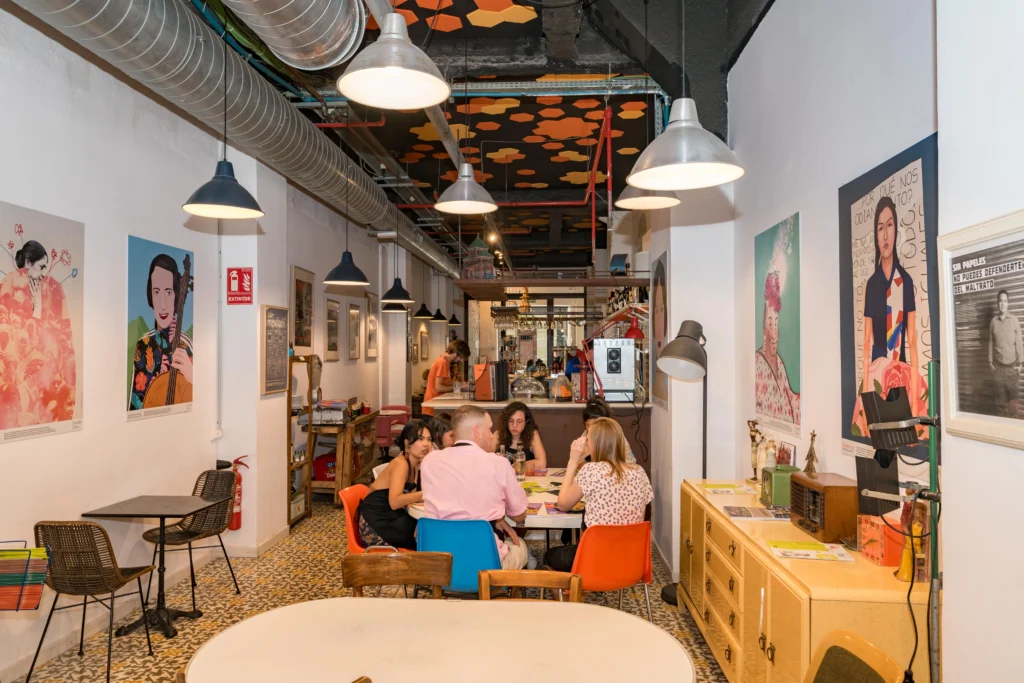
Then it was time for the grand finale — setting down to eat!
I often travel on my own, so I love taking tours to socialize as much as learning something new about a culture.
With most tours I’ve been on, you get to talk a little bit with fellow travelers, but the Mescladís cooking class is a real bonding experience. I was never just chopping vegetables for gazpacho or combining egg yolks and milk for the crema Catalana — I was asking other people in the class about their lives back home and what they like about Spain.
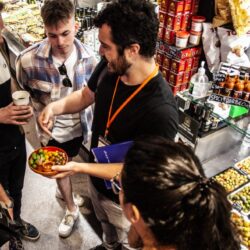
And for solo travelers like myself, what’s great about the class is that you don’t feel like you’re sitting at a table where everyone else has a travel partner but you, which can sometimes happen on a food tour. Diana ensured that we cooked as a group and sat down to eat as the mini community we’d created.
For more of a peek behind the scenes, here’s a video from another traveler who took this class.
The great thing about all of this is that being part of this class helps people get a new start in a career they love.
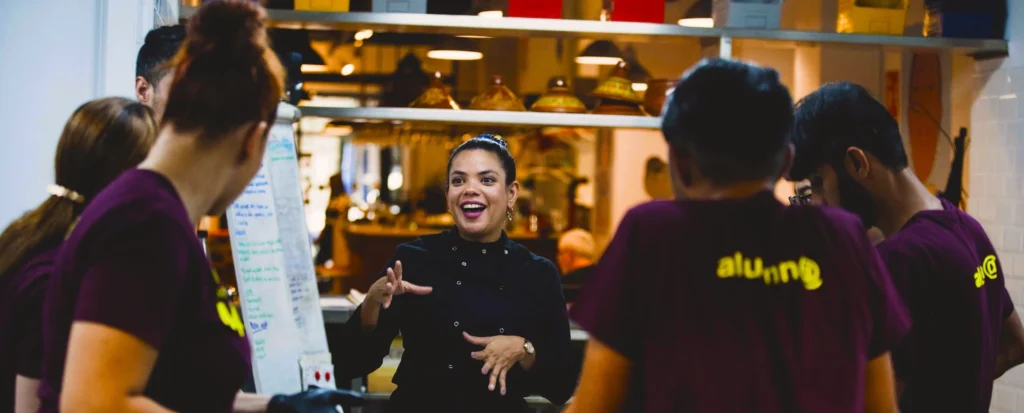
Since 2005, Mescladís has been creating these career opportunities through hands-on culinary training, helping immigrants in Spain learn the skills they need to find steady employment. Their employment community, called Empleadís, even helps with job placement by connecting students in their programs with companies who need reliable employees.
Mescladís’s international cooking classes are designed for all audiences, including Barcelona tourists, and are one of the ways they support their broader mission. When you take this cooking class, you’re not only making memories — you’re making an impact on the Barcelona community.
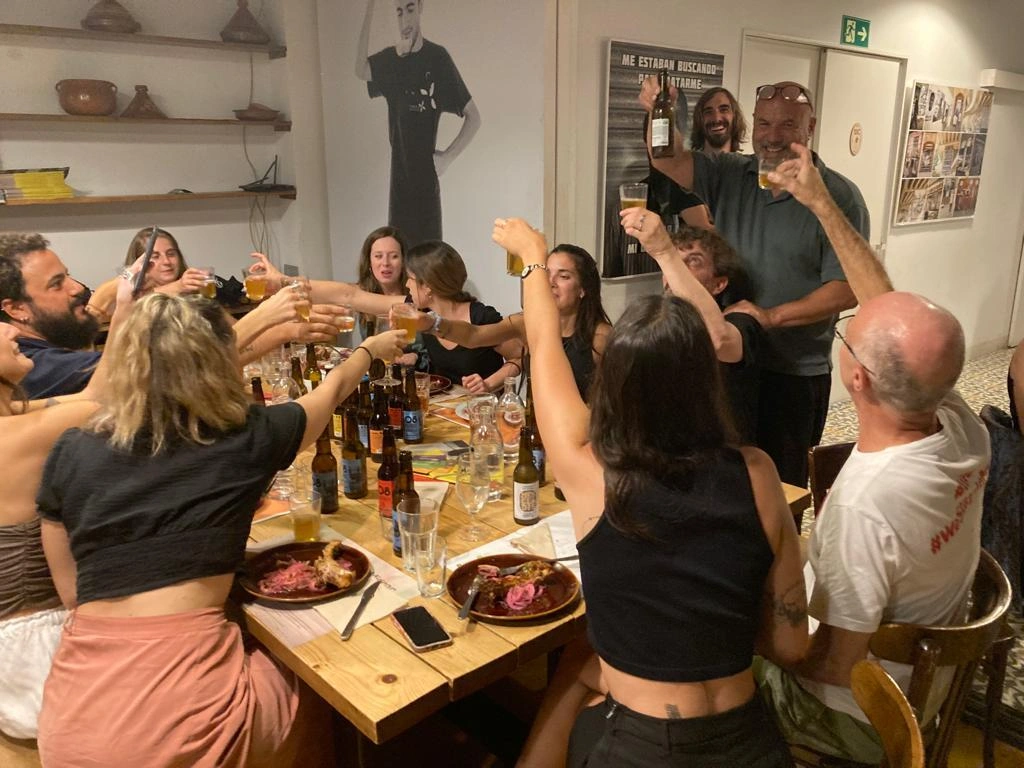
A meal tastes better when you make it yourself, which sets this Mescladís cooking class apart from other food experiences. And you don’t have to worry about leaving Spanish and Catalan cuisine behind at the end of your trip, since you’ll get all the recipes for these dishes to make them whenever you want.
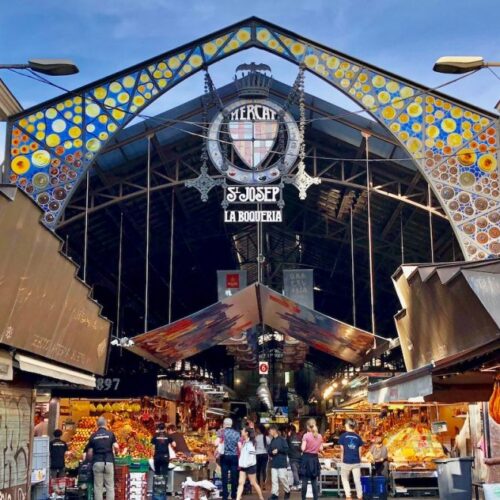
Looking for more foodie fun Barcelona? Tour our historic markets to see what locals are creating. This city has so many great flavors — you don’t want to miss them!
10 Magical Things To Do in Montjuïc on Your Barcelona Trip
“Barcelona lo tiene todo” this is what we say: “Barcelona has it all.” Art, history, architecture, seaside and even hills, among which Montjuïc…
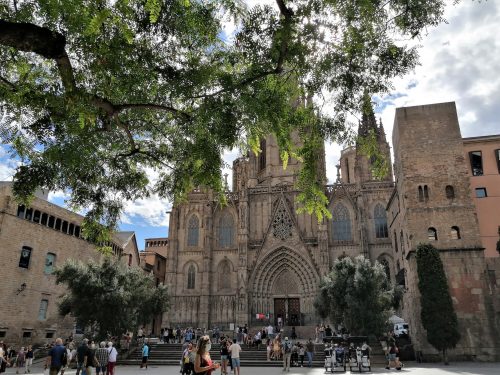 10 Places To Visit in Barcelona’s Gothic Quarter
If you want to jump from one century into another with just a few steps, the Gothic Quarter in Barcelona is the place…
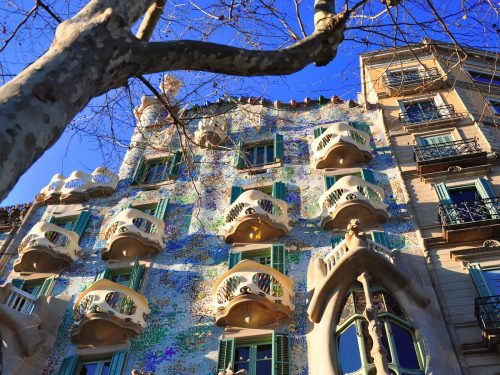 Exploring Gaudí’s Casa Batlló in Barcelona, Inside and Out
Outside 43 Paseo de Gracia (Passeig de Gràcia in Catalan), you’ll always find crowds of people waiting to enter Casa Batlló, a house…