
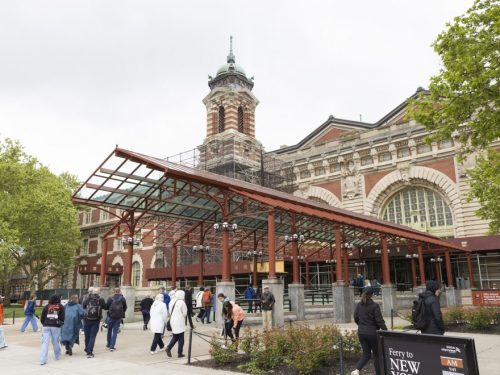
 Facts About Ellis Island: 11 Numbers on Immigration and More
Today, Ellis Island is a symbol — like the Statue of Liberty — of American immigration, and a site for many citizens to…
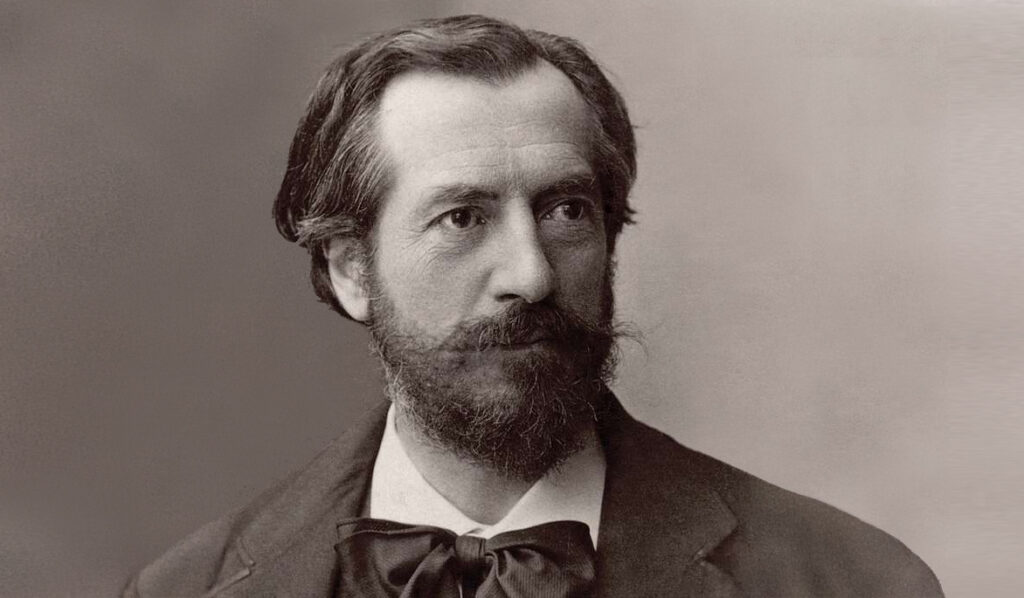
in American history. The French sculptor is the creative behind the Statue of Liberty. After pitching an idea for a massive statue gift from France to the United States in the late 1800s, Bartholdi designed Lady Liberty over the course of a handful of years and brought her to life. Ahead, learn more about his life and some of his other work.
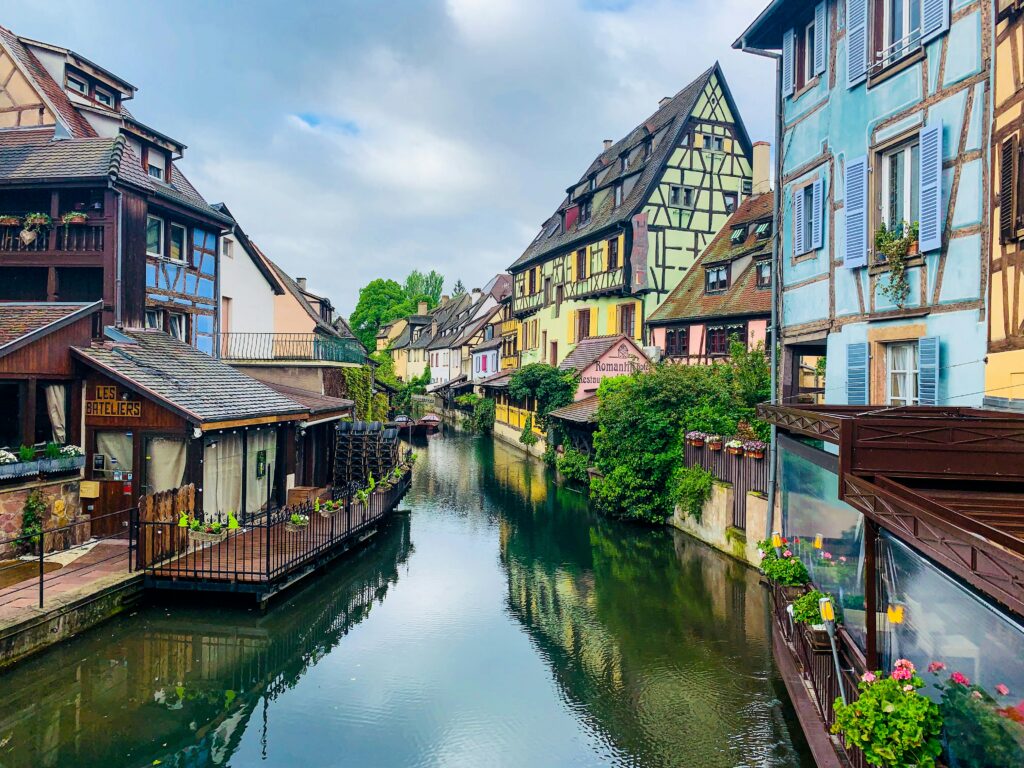
Venice” of France. Frédéric Auguste Bartholdi was born here on Aug. 2, 1834, to parents Jean Charles Bartholdi and Augusta Charlotte Bartholdi. The couple had four children, but only two survived past infancy, Frédéric and his older brother Jean-Charles.
When Bartholdi was just 2 years old, his father died, and the family relocated to Paris. They did travel back and forth to Colmar over the years, but Bartholdi spent much time studying architecture in Paris. This eventually helped kick-start his career in the arts.
Disrupted by the Franco-Prussian War from 1870-1871, Bartholdi put his plans for the Statue of Liberty on hold to join the National Guard. He also served as an officer to General Giuseppe Garibaldi, as a representative of the French Government.
Bartholdi originally pitched the idea for the Statue of Liberty in 1871 while visiting the United States, after Édouard de Laboulaye proposed the concept of gifting a statue to the United States from France in 1865. Based on Laboulaye’s words, Bartholdi came up with the idea for Liberty Enlightening the World. It took years of planning, fundraising, building and transporting, however, before it was finally dedicated in New York City in 1886.
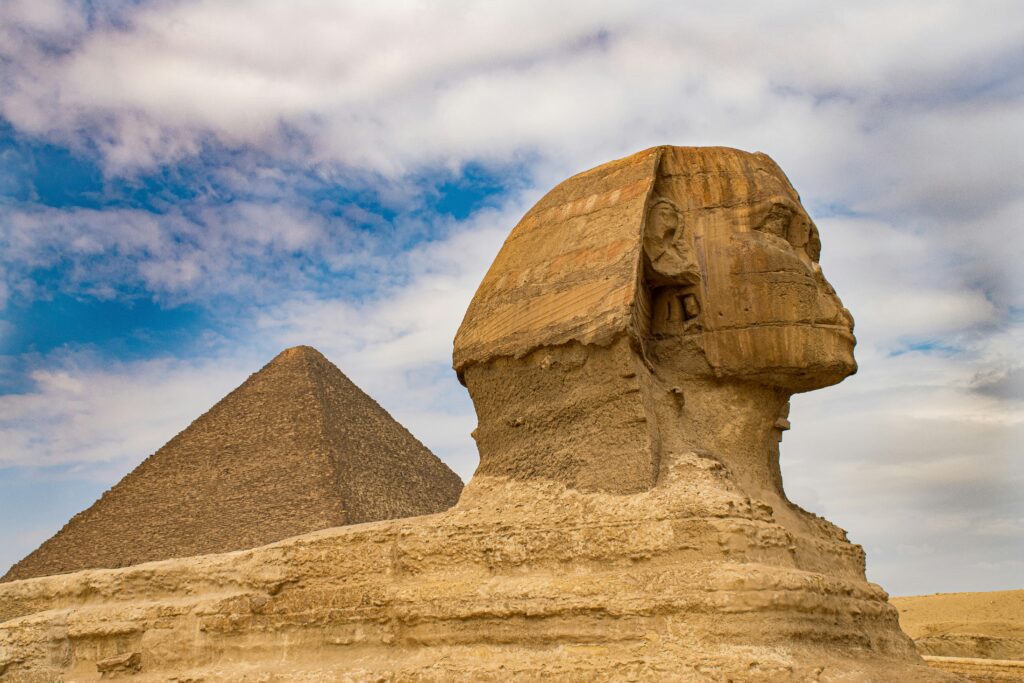
After visiting the Sphinx and Pyramids of Giza, Bartholdi fell in love with large-scale public monuments and colossal sculptures.
When the Egyptian government expressed interest in designing a lighthouse for the Suez Canal, he eagerly designed a colossal statue of a robed woman holding up a torch. However, after attending the inauguration of the canal, Bartholdi was informed that he would not be able to proceed with his idea.
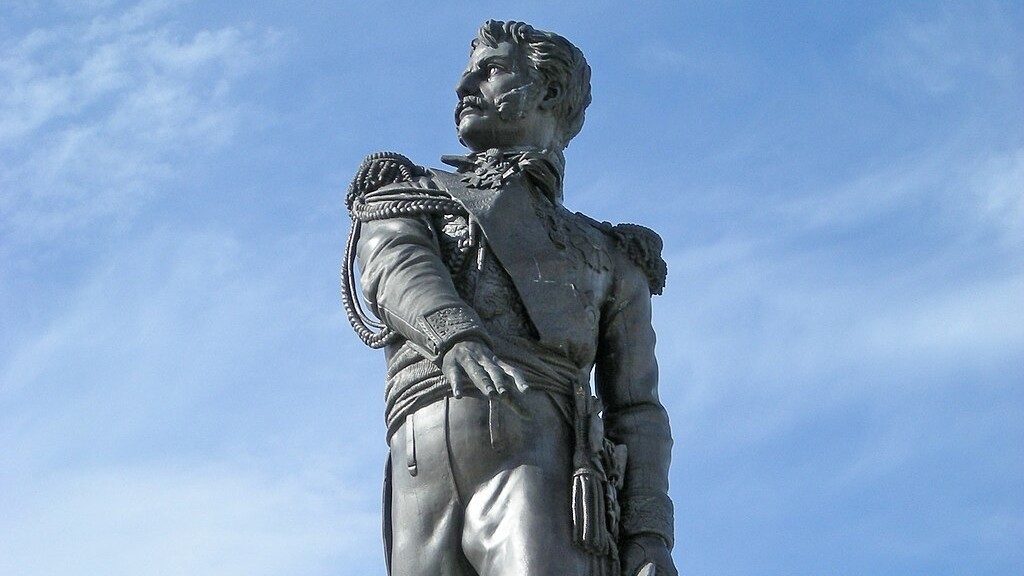
Bartholdi submitted a statue of French general Jean Rapp for the 1855 Universal Exposition in Paris. As opening day neared, his work proved too large to actually fit through the doors of the venue. It ended up being left outside, where it attracted lots of attention and publicity. It still stands today in Colmar, France.
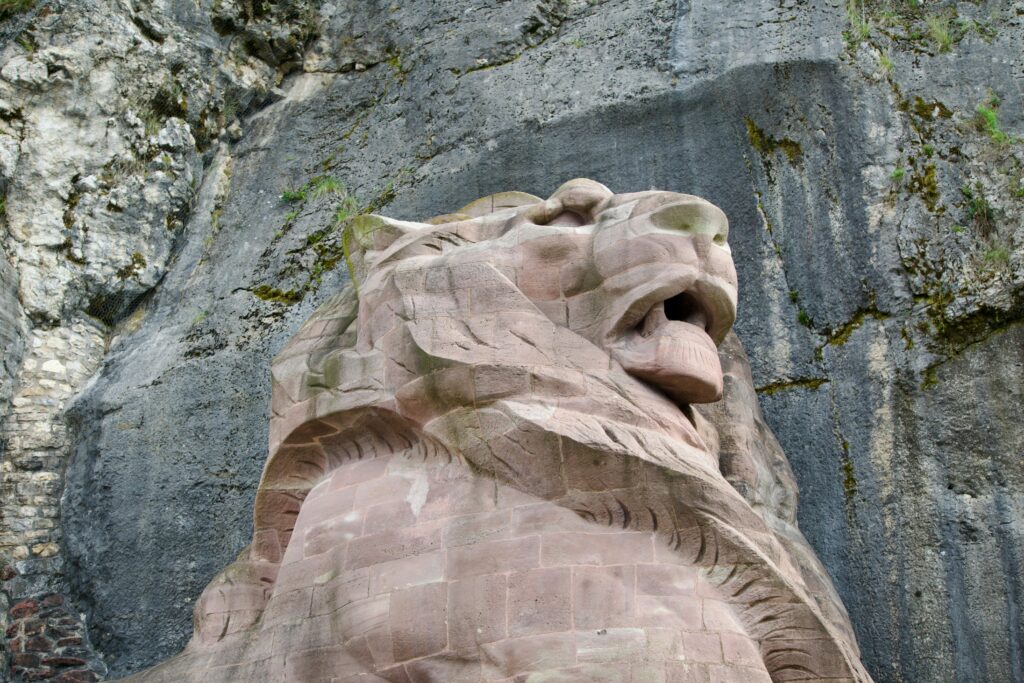
After taking part in the defense of his hometown of Colmar during the Franco-Prussian War, Bartholdi constructed a number of monuments celebrating French heroism against Germany. Among these projects was the Lion of Belfort, constructed in the 1870s. The monument is carved out of the red sandstone of a hill that overlooks the city of Belfort.
The statue sits outside Belfort Castle and honors Pierre Philippe Denfert-Rochereau, one of the French leaders in the war who was known as the “Lion of Belfort” at the time. It is said that the massive lion statue stands guard much like Denfert-Rochereau did, no matter how war-torn he was.
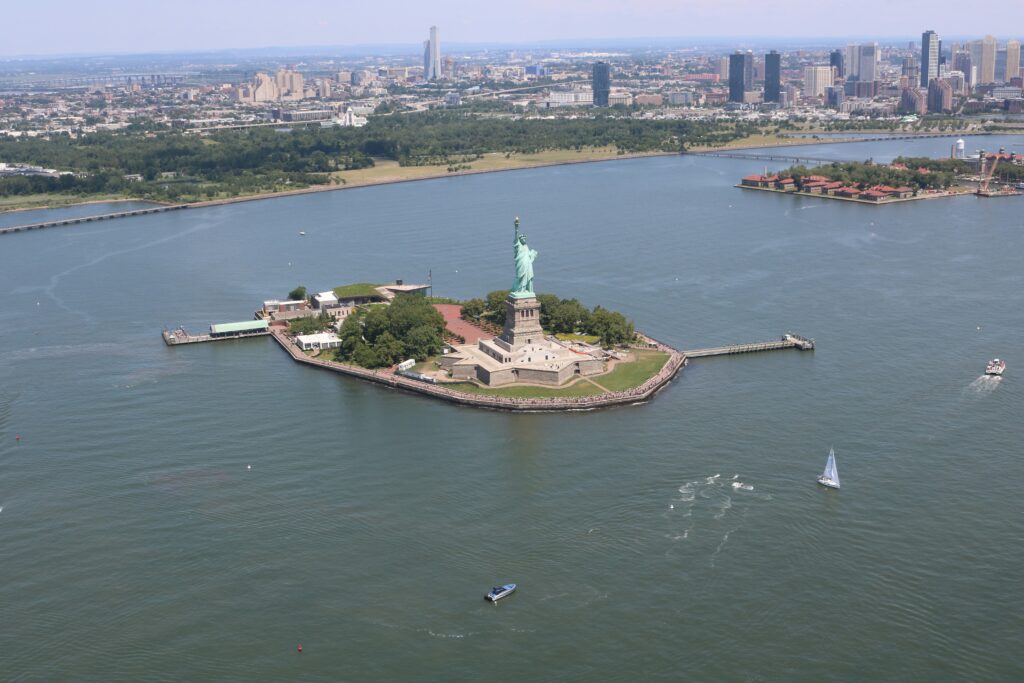
Bartholdi set sail for his first visit to the United States in 1871. Upon entering New York harbor, the idea came to him for a monumental statue that would greet people as they sailed in. He then began work on a female figure with a crown of rays around her head, holding a torch upward in one hand and grasping a tablet in the other.
After being built in France over the course of several years, the statue was broken down into 350 pieces and packed into 214 cargo crates and brought over to New York on a ship. It arrived on June 17, 1885, but was held offsite on Bedloe’s Island while the pedestal was constructed.
Fun fact: The pedestal wasn’t designed by Bartholdi. Richard Morris Hunt was responsible for that.
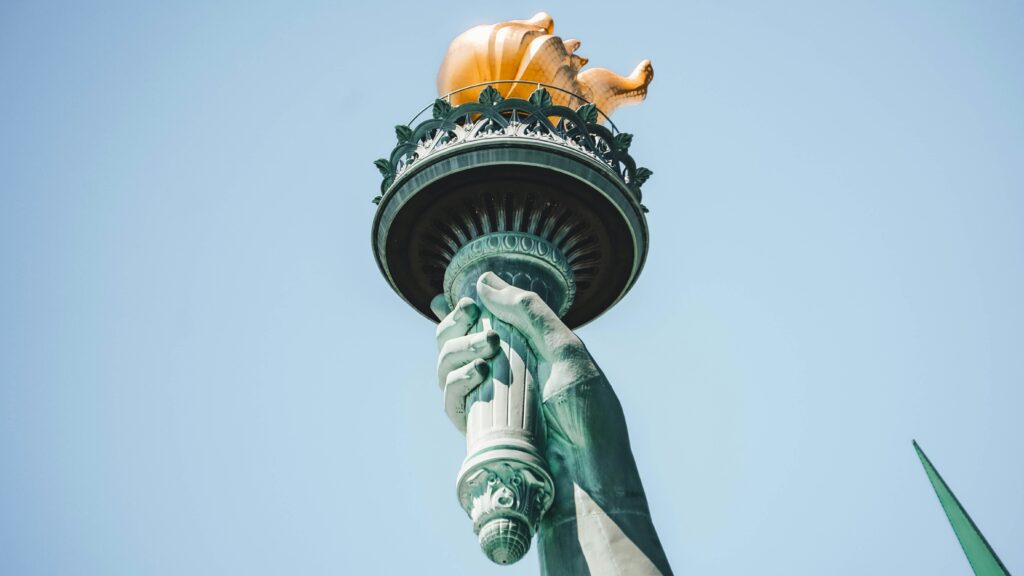
By 1876, her upper arm and torch were already finished. So Bartholdi had them shipped to the United States for display at the Centennial Exposition in Philadelphia. Visitors were welcomed to climb inside and walk around the balcony circling the torch. Nearly 10 million people got the chance to do so, until the arm was later moved into Madison Square Park to assist in fundraising until 1882.
The torch changed a lot over the years, and in time, it strayed dramatically from Bartholdi’s original design. When the torch was first constructed, it had two rows of portholes cut out of the copper at the bottom of the torch to light it up from the inside. A few years later, an 18-inch panel of glass replaced the top row of portholes and an octagonal pyramidal window with red, yellow, and white glass was placed on top of the flame.
In 1916, the copper was removed from various places and replaced with amber-colored cathedral glass. Holes were cut into the balcony floor in 1931 that allowed newly installed lights to shine through via projectors, further modernizing the design.
The renowned creator of the Statue of Liberty died of tuberculosis — a common disease at the time — at age 70 in Paris, about 350 miles from where he was born in Colmar. When he passed away in 1904, the prolific sculptor left behind a legacy of true artistry.
Interested in learning more about Bartholdi? Join us to experience his incredible journey and the amazing monument that made him legendary on one of our Statue of Liberty tours.
You’ll learn all there is to know about the history of the statue and get up close and personal with Lady Liberty herself while visiting Liberty Island.
Facts About Ellis Island: 11 Numbers on Immigration and More
Today, Ellis Island is a symbol — like the Statue of Liberty — of American immigration, and a site for many citizens to…
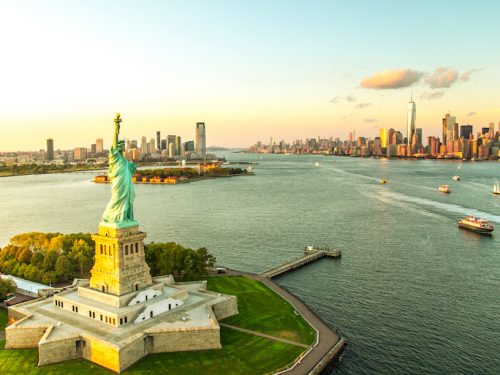 Statue of Liberty and Ellis Island: Do’s and Don’ts for Your Visit
As two of the most popular attractions in New York City, the Statue of Liberty and Ellis Island are probably on your must-see…