 10 Classic New York Hotels: From Luxury to Boutique
Whether you book a suite in one of New York’s fanciest hotels alongside Central Park, a quirky room in an offbeat boutique property,…
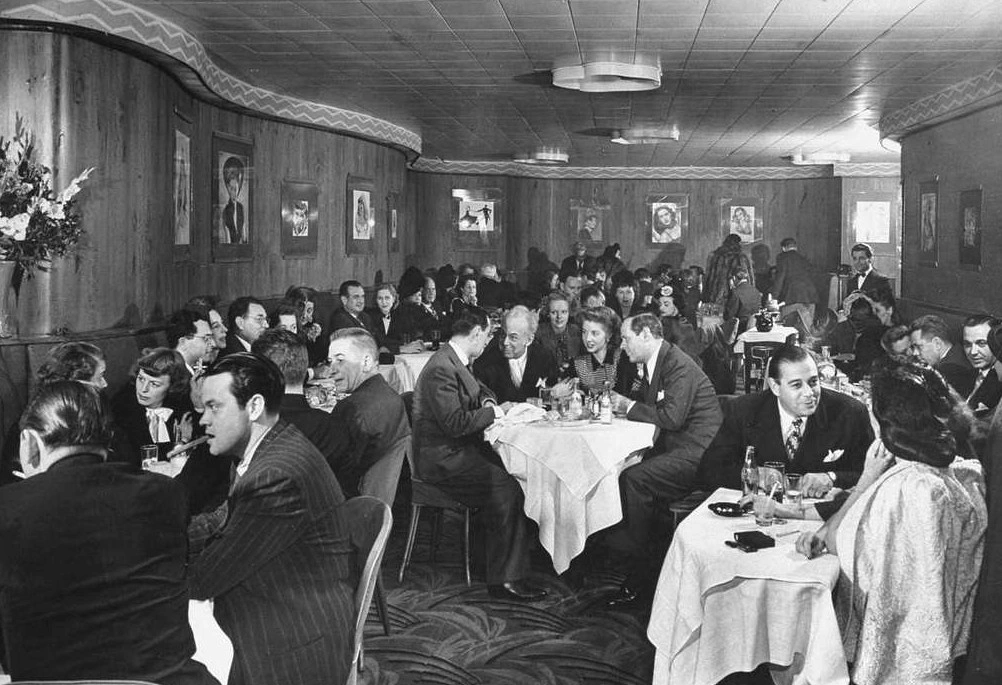
Have you heard of the Stork Club? In 1940s New York, there was no place more glamorous.
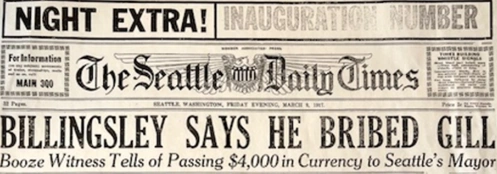
But it had its fair share of secrets, kept in the dark for decades. Then in 1996, it all came out. Robert Billingsley, then 50, noticed an article in The New York Times about the Stork Club, his late uncle’s famous former nightclub. As he read the story, Robert learned the shocking truth: His late father, Logan Billingsley — a pillar of the business community in New York — and his uncles, including club owner Sherman Billingsley, had a shady past.
In their youth, they were gangsters.
“My father shot and killed a man in Oklahoma, was a notorious bootlegger and criminal, and in jail,” Robert said. “But it never, never came out. But that’s Oklahoma… There’s a reason why Bonnie and Clyde operated there.”
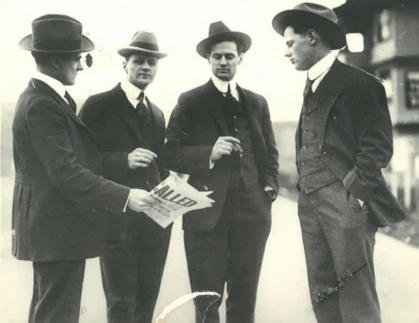
Logan and Sherman and their brothers, Ora and Fred, were bootleggers based out of Oklahoma for many years. They ran several drug stores that were fronts for illicit liquor sales and shrewdly expanded their operation beyond Oklahoma as more cities and states went dry even before Prohibition went nationwide, including in Seattle, Omaha, Detroit, New York City, and elsewhere.
It was lucrative, exciting — and dangerous. So eventually, the brothers sought (mostly) more legitimate pursuits. For example, Logan became a real estate magnate in New York. He owned apartment complexes, garages, and hotels in the Bronx and even became the president of the local chamber of commerce.
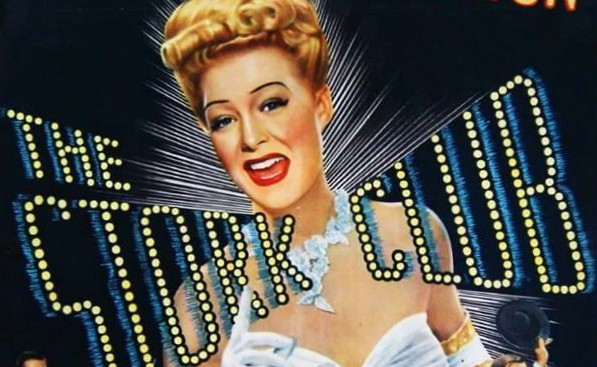
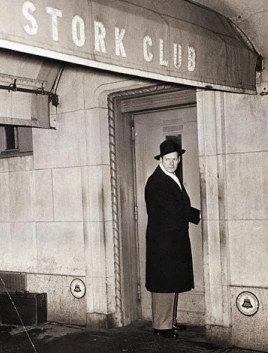
Meanwhile, Sherman founded the Stork Club in Midtown Manhattan. This was during Prohibition, so it began as a speakeasy and attracted the attention of movie stars, politicians, New York’s elite, and even gangsters — one gang trying to muscle into the business even abducted Sherman and held him for ransom for three days.
The club moved locations twice but was never far from Park Avenue or Fifth Avenue. It had a massive mirror over the bar that allowed patrons to admire themselves and their neighbors, according to the book, “Stork Club: America’s Most Famous Nightspot and the Lost World of Cafe Society.”
It was the place to be if you were anyone who was someone. Columnist Walter Winchell called it “New York’s New Yorkiest place.” Sherman even hosted a weekly Stork Club-themed TV show.
The Stork Club slowed down in the late 1950s and finally closed in 1965. Although New York and the country had changed since Prohibition and World War II, the Stork Club had left its mark on celebrity nightclub culture forever.
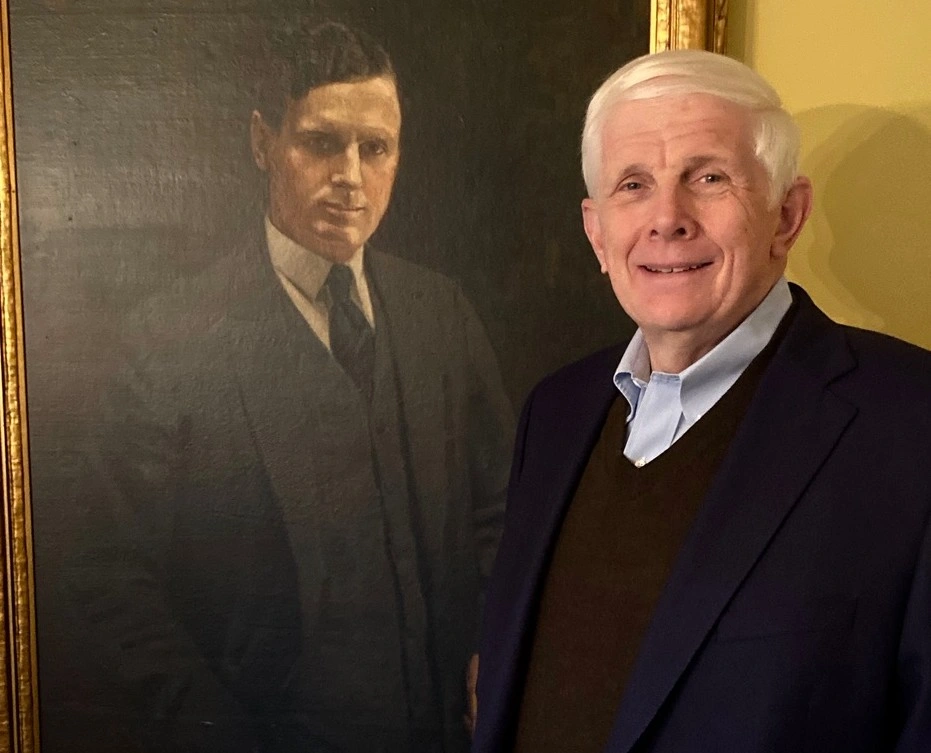
Back to Robert Billingsley, Logan’s son. He remembers spending time at the Stork Club in his teens and twenties, sometimes with his family, sometimes with dates. But he never caught wind of his father and uncles’ shadier past.
After learning the truth, Robert, vice chairman at Cushman & Wakefield, spent years digging into his family’s history.
He describes it as both emotionally difficult and rewarding. The truth shattered his image of his father, who died when Robert was a teenager. But it also helped him get a fuller, more complete understanding of his family.
During the process, Robert reconnected and developed a deep friendship with his cousin, Shermane Billingsley, the daughter of Sherman, who had known the truth about their fathers for a long time.
Robert’s journey of discovery has included traveling to Oklahoma and other places the Billingsley brothers ran their bootlegging operation. He has become a sought-after public speaker about Prohibition, bootlegging, and the rise and fall of the Stork Club.
As a journalist and New York City tour guide, I was excited to interview Robert and learn more about this fascinating slice of Americana.
Here’s our conversation, edited for clarity and length.

Robert Billingsley: The 1950s was a very conservative time and growing up here in northern Westchester County, which was the northernmost suburb — we didn’t even have sidewalks. I was really out of the loop. My dad was a prominent real estate developer in our town, and I knew nothing about his past, although there were hints of it. People called my father the “Franklin Delano Roosevelt of Somers” and he was a very respected pillar of the community, part of the Chamber of Commerce, and all the rest.
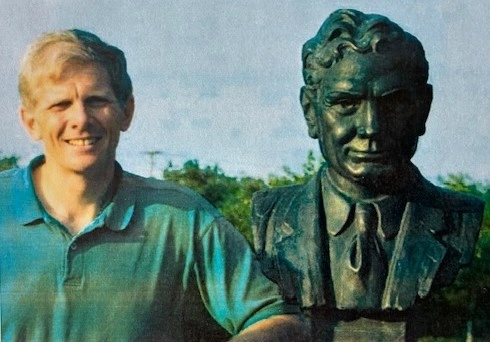
I knew nothing about my Uncle Sherman’s past. When I was growing up, Sherman had a TV show from 1950 to 1956, and I knew the Stork Club was the most famous nightclub in the world.
But I knew nothing about the brothers and their criminal past, their bootlegging. And I only found out when I was 50 years old in 1996 when I read it in an article in The New York Times — long before social media, before you could just “Google” anything.
I was raised by my Catholic mother to be a straight arrow. She was very proper and was a lioness at preserving the family name. She was an Irish Catholic girl, the daughter of a postman from the Bronx. She took elocution lessons. She always sounded like the Maggie Smith character in “Downton Abbey.” She was known as “Mrs. Billingsley” and went on to be a very successful businesswoman herself and became rich in real estate. She was maybe the most successful woman real estate broker in Westchester County. She was held in awe, and she didn’t want that torn down.
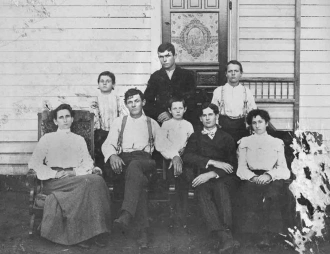
People like us just didn’t have relatives like the Billingsley boys, you know? She kept it a secret. She never told me.
After the article came out in The Times, I was going to confront her, but she was 84 and had a heart condition. I didn’t want to upset her about it so I said we’ll talk about it later.
Here she was in her 80s, and she thought she’d covered it up — talk about the past coming back and being the present. So I knew that she was distressed about what people would think. At the time, she told me that my father was a great man and the Times was lying.
I decided I’d come back at a better time but she had a stroke and we were never able to talk about it. Many years later [after she died], I came across a box with all the records of my father’s criminality, which she had kept.
RB: I think my mother had — and she passed that on to me — a real reverence for history. She was a trustee of the Westchester Historical Society and history meant a lot.
But she couldn’t confront it herself so she left it for someone to find sometime. I found it, and I was totally shocked by it. I never realized the kind of the torture she went through about it.
There was other stuff in there, newspaper clippings with headlines “4 Billingsleys in cells,” “Logan called murderer,” family deeds to property in Oklahoma. My father’s parole papers were in there and she maybe wanted to keep a record in case something happened and she had to prove it at some point in time. I think she said, “It’s my sons’ history and I can’t talk about it, but who am I to deprive them of their history?”
When I looked back, I was shocked by some of the things from my youth that were aha moments — “Oh, that’s why this happened,” you know?
RB: One of them was in August of 1957, and I was 10. Mom said, “Bobby, we’re going to go into Katonah” — which is the nearest business district — “and we’re going to pick up the papers.”
So we went to Gumbo’s stationery store. I went to pick up the Times and the Daily News, and she pointed to a stack of another periodical that was down on the shelf — it was a publication called The Lowdown, which was one of these scurrilous magazines that you see in grocery stores with the lurid print and all the rest of that. I went to pick up one, and she said, “No, pick up the whole stack.”
So I picked up the whole stack and brought it out to the car. While I’m putting the stack in the trunk, it sort of flies open, and there is an article with an old photo of my father and his brothers looking like a gang of hoodlums. I saw the headline: “The Black Sheep of the Family.” My 10-year-old brain thought, “What the hell is going on here?”
I didn’t speak to Mom in the car on the way back because I was so shocked. And then when we got to the house, I followed her out to the big oil can where we would burn the garbage. She lit it, and I threw all the newspapers in it, and they all burned.
Finally I had the guts to say, “Mom, what was that all about?”
She said, “Bobby, that was just some bad people telling lies about your father.”
So in 1996, it came back to me. Those might have been bad people, but they weren’t telling lies about my father. That was part of the coverup.
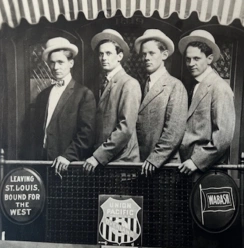
Also, when my dad died in 1963, we had a wake here in Westchester and a lot of people came, but he wanted to be buried in his native Oklahoma. And my mother wouldn’t let me go to the funeral. I think back upon it, and I’ve gone to shrinks and psychics about this.
In one of my conversations with the psychic — and I don’t believe in everything they do, but I believe there is an X factor — my mother came into the session and said that she was afraid some people from the old days would hear about the funeral and might do me harm.
I was 17 years old. I was a mature kid, I was a good kid. And through the psychic, that’s what I heard. And I think there was an element of truth in that, because the story would’ve come out.
RB: It was written because my cousin, Shermane Billingsley — Sherman’s youngest daughter — had decided to do a book with a man named Ralph Blumenthal.
I had lost contact with Shermane. I would see her in the early 1950s. I would wave to her when I went to the Stork Club when I was in college, but eventually we lost contact.
Right after the article came out, we had dinner together, and we really hit it off. We talked openly about our fathers being criminals and what that meant, and how they looked at you, and how they sized up the world.
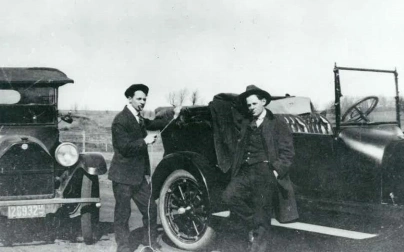
My father was very measured and spoke with an Oklahoma twang. He always sat with his back to the wall. He never lost his temper. He was like Don Vito in “The Godfather” — the kind of a man who keeps control and always has his wits and also is penetratingly accurate when it comes to reading people’s emotions. But he was a bit of a cold fish. He didn’t laugh out loud.
When I talked to Shermane, she said the same thing about her father. You could tell when you looked in their eyes, there was something ice cold there, and they had done bad things to people. You just could smell it, you know, that you just didn’t mess with these guys.
I’m writing a book about the Billingsley brothers, and Shermane gave me all the resources. She had phenomenal archives.
She became my best friend. She didn’t have any brothers, and I didn’t have any sisters. So we were remarkably close. At her funeral two years ago, I gave the eulogy. I miss her.
RB: Shermane had found out that my father was a bootlegger when she was 9 years old. And in high school, she found out that my father had killed his father-in-law in Oklahoma.
After our meeting in 1996, we’d have dinner once a month or so, and we’d just compare notes about what it was like growing up. And she had a lot of archives. Finally, after years of not wanting to deal with it, I went all in. I think it was the act of having my own grandson and just wanting to get to know my dad before I die.
We had this unbelievable relationship that we were both finding about our family together because she knew all the Stork Club and the glamor stuff, but she didn’t know all the details on all the crime.
My surviving older brother, who nearly became a priest, is shocked and sort of embarrassed by it all. My younger brother, who is a real product of the 1960s, thinks it’s cool.
RB: In the early 1950s, my parents were wealthy and they’d have to take people to the Stork Club. And my father would usually go for lunch.
I remember going there starting off when I was about 11. It was just very intimidating, very fancy, people dressed up to the nines. My uncle Sherman was always nice to me — he didn’t have any sons and I looked like him.
The first time I was there, I saw William Boyd, the actor who played Hopalong Cassidy, and that made my day because I watched him on TV. So I’d go mostly for lunches when my parents would have to entertain people.
When I was in high school and in college, I would take my dates there. You can imagine wanting to make a good impression on the date, you take her to the Stork Club. So I would do that and go dancing — ballroom kind of dancing and all that. And I’d taken lessons to learn how to dance.
It was a big fuss seeing celebrities — Walter Winchell, John Wayne, Ronald Reagan, Marilyn Monroe. Sherman really was a genius. He recognized that if you could bring in celebrities, you could bring in other people.
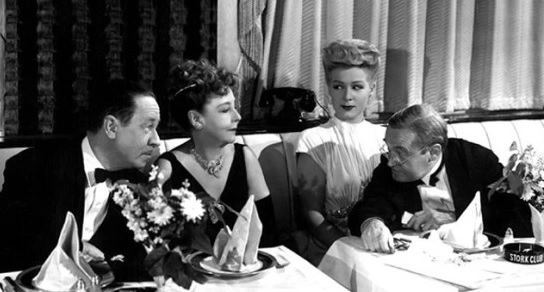
He was one of the first to make sure that you had handsome, attractive people come in. He took out ads in the Ivy League student newspapers saying if you bring an attractive date, she can drink for free. That also led to their parents now wanting to come — the socially registered parents of the debutantes wanted to come and create that buzz.
He also recognized that there’s nothing more seductive than trying to get into a place you can’t get into — the gold chain outside, the long list to get in.
When Sherman first started out, he put his business cards [and matchbooks] in people’s coat pockets in the coat room so when they went home at night, they saw the card and the matchbook.
He was one of the first club owners to buy drinks for people and also believed in certain kinds of brands. And he would comp the celebrities that came in because he wasn’t going to make money off of them — he would make money off the meat packers from the Midwest who came in and wanted to see Fred Astaire or Joan Crawford or Bette Davis or the Kennedys.
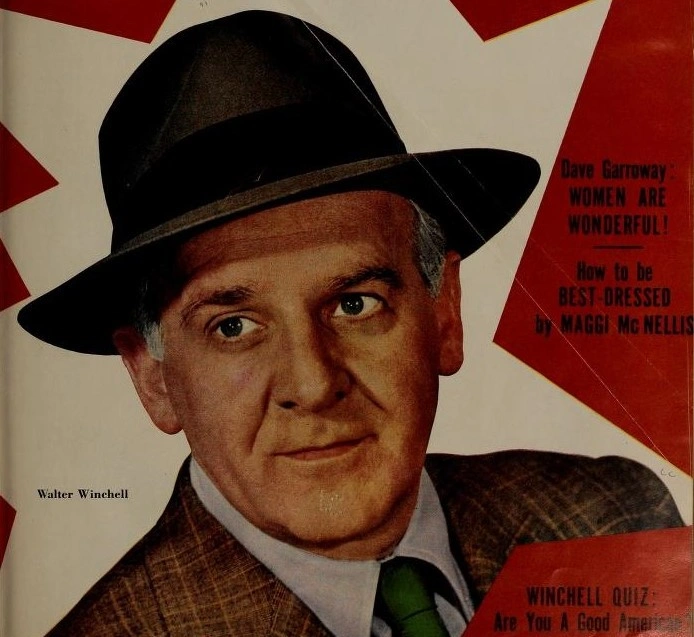
And also one of the main elements was gossip columnist Walter Winchell. When Franklin Roosevelt was president, Winchell arguably was the second most powerful man in the United States. In a country of 150 million people, half either read his column or listened to his radio show every week. And he hung out at the Stork Club!
You can’t understand celebrity culture, you can’t understand People magazine, you can’t understand social media influencers if you don’t understand Walter Winchell. Before Walter Winchell, you were famous because you did something great. After Walter Winchell, you were famous because he wrote about you.
There was a time that the measuring stick for your prominence in society was where your table was at the Stork Club. So, the genius of this farm boy from Oklahoma with a grade school education and how he acquired these skills, and doing this and becoming the most famous night spot in the world is a great story.
The last time I saw Sherman was in the spring of 1965. My dad had died by then. I went into the Stork Club with a date. There weren’t that many people there, the club was pretty empty. It was really an indication that times had changed. The world had changed around Sherman and he couldn’t change with it, which is not unusual.
The Stork Club’s death knell, if you will, was Marlon Brando’s T-shirt in “A Streetcar Named Desire” and James Dean’s blue jeans. The world had changed. It wasn’t a world of dressing up anymore. It was a world of suburbs. It wasn’t a world of cities.
But that’s part of the Stork Club story. It’s not why the Stork Club declined but why it stayed where it was for more than 30 years. People go through restaurants like they go through Kleenex — it’s open one week and it’s closed another, it’s open two years.
But that the Stork Club stayed open for 35 years in New York is quite amazing.
RB: I would agree with you. And that was part of Sherman’s genius — he knew how to market, and he knew how to get people to want to come.
And also it was the time — the apogee of the nightclubs was during World War II because people needed a release from being in a trench in the South Pacific. You could go there and you could forget about your problems and be with other people. During World War II, the Stork Club would have 2,000 visitors a day.
And New York was in its ascendancy after World War II — it hadn’t been destroyed like places in Europe. The Stork Club started to lose money in the late 1950s, early ’60s, but it really held its own for a long, long period of time.
RB: I would say, “Do you watch Netflix? Do you watch HBO? Did you like ‘Yellowstone’? Did you like ‘Boardwalk Empire’? Did you like the ‘Feud: Capote vs. The Swans’? Did you like ‘Mad Men’?” All of those are in the Billingsley story — pieces of it, from bootlegging to violence to glamour. People remaking themselves.
The first Billingsley brother, Logan, was born in 1882, the year Jesse James was killed, and the last Billingsley brother, Ora, died in August of 1969. The month before, he’d watched a man walking on the moon.
Think about that. Their story from the Oklahoma frontier to people moving back to the cities, the Roaring Twenties to the Great Depression, World War II to the biggest demographic change in American history — people moving to the suburbs. It wasn’t just celebrities in the Stork Club.
At its core, the story is about a family and the skeletons in the closet. People are interested because we all have skeletons. These family stories are eternal. So if you like any part of that, you’ll love this story.
10 Classic New York Hotels: From Luxury to Boutique
Whether you book a suite in one of New York’s fanciest hotels alongside Central Park, a quirky room in an offbeat boutique property,…
 History of the Haunted Subways of New York City
Running deep through the dark underworld of New York City, the subway system is the setting of a fair share of spooky stories…
 12 NYC Museums You Should Know
New York City is a world-renowned destination for many attractions, including its famous museums. You might have already heard about the Metropolitan Museum…